
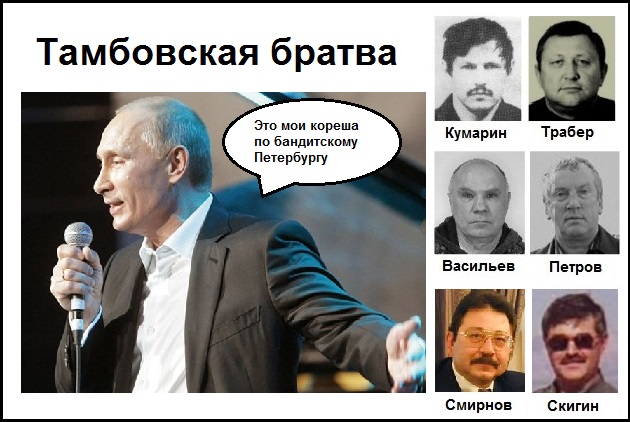
- Instead of an epigraph.
“The Tambov organized crime group as such no longer exists, it existed in the past… It appeared by order of the FSB, it was created for the purpose of enrichment. Russia was formed as a separate state, and that is why this organization appeared. That’s it, nothing is left of this organization. All that remains is a very large sum of money and a legend…
One part [of the money] is controlled by Kumarin, but here we are talking about a maximum of 100 million. And the other part belongs to other people, officials, it really belongs to them… Generals, people who work in the government.”
From the interrogation protocol of Mikhail Monastyrsky (Monya-Faberge), one of the founders of the Tambov organized crime group. Spain, Madrid, March 9, 2007.
- Greetings from Surgut.
In 2010, unexpectedly for everyone, this creature was appointed mayor of Moscow:

`
He was almost unknown to the general public in Moscow. Journalists rushed to find out his biography and why he had such an honor – to head the capital. It turned out that Sobyanin was an old acquaintance of Putin’s from the 1990s. When Putin visited Tyumen in the early 2000s during his first presidential term, local journalists were surprised to hear him greet Tyumen Governor Sobyanin in a brotherly manner: “Hi, Seryoga!” It was clear that the guys had known each other for a long time.
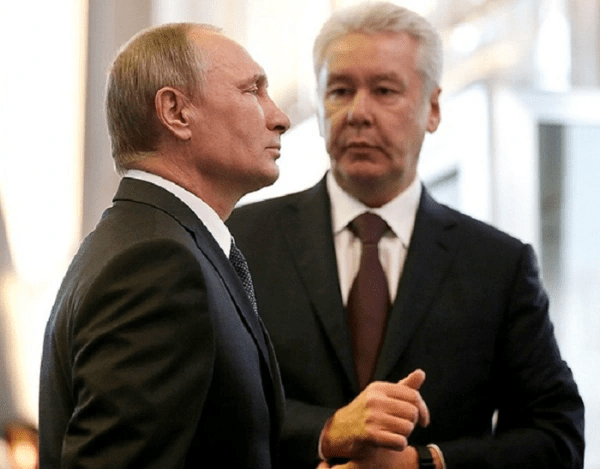
But where did they meet? – Putin was in St. Petersburg in the 90s, then in Moscow, in the Yeltsin administration, then head of the FSB. And Sobyanin is the mayor of Kogalym, a deputy in the Khanty-Mansiysk Okrug, a senator. Where could they have crossed paths?
The closest to solving the mystery was “Russian Newsweek”. In the issue of 20.10.2010, with reference to “former officials of the St. Petersburg mayor’s office”, a story was published about how the Tambov organized crime group in the 90s attacked the oil refinery in Kirishi (Leningrad region), which belonged to “Surgutneftegaz”. The director of the latter, Vladimir Bogdanov, sent his friend Sobyanin to sort things out. He went and met Putin there. That is, at a gangster showdown.
From the article in “Newsweek”:
“Former officials of the St. Petersburg mayor’s office recall that at that time the Tambov criminal group, which controlled practically all of St. Petersburg and began expansion into the suburbs, had its eye on the oil refinery in Kirishi, Bogdanov sent Sobyanin to sort things out. And it was then that he allegedly met Putin, who helped him resolve the plant’s crime issues. Sobyanin was generally a partner of Putin and his ally Gennady Timchenko in the St. Petersburg oil business, says political scientist Stanislav Belkovsky: Putin and Timchenko provided operational management of the plant, Sobyanin was responsible for deliveries. Timchenko’s structures began selling Kirishi products abroad.”
Seryoga arrived for the showdown, and Putin was there. He was sitting there, solving “crime issues” (Tambov, by the way). And they liked each other so much that they established a joint business and became friends.
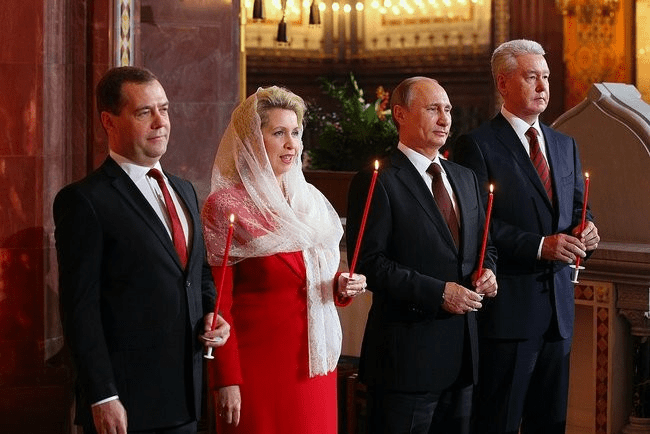
The famous photo on Easter 2013, when Medvedev came with his wife, and Putin with a friend.
But seriously, Surgutneftegaz really did wage war in St. Petersburg in the 1990s against the Tambov organized crime group. It lasted for many years, peaking in 1994-96, when Putin was vice-mayor. But the “former officials of the St. Petersburg mayor’s office” clearly did not tell Newsweek everything.
The fact is that Surgutneftegaz lost this war completely. The bandits took everything in the city from them, and the Kirishi Oil Refinery fell under the control of a friendly brigade of security officers led by Timchenko. It is not clear from whom Vova Putin was saving the plant. From himself or from his friends?
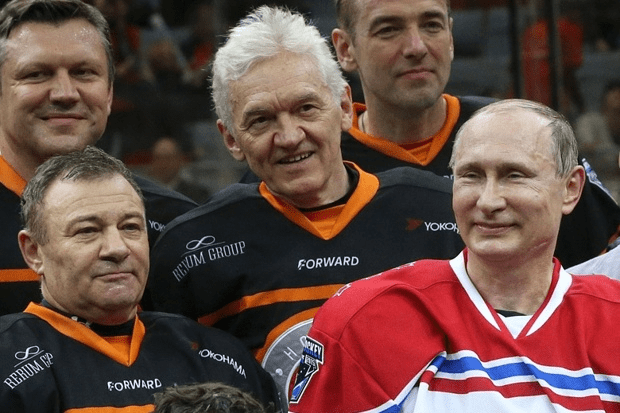
Putin certainly looks creepy here. His face is swollen from Botox, either a bruise or a cut under the jaw. You can only go to showdowns with this. I don’t know if anyone in the Tambov organized crime group still injects Botox, but Putin’s fight for beauty is impressive. It’s not easy, ask the women.
After all, Botox injections under the skin cause extensive bruising at first:
And walking in high heels?
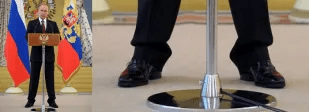
About eight centimeters?
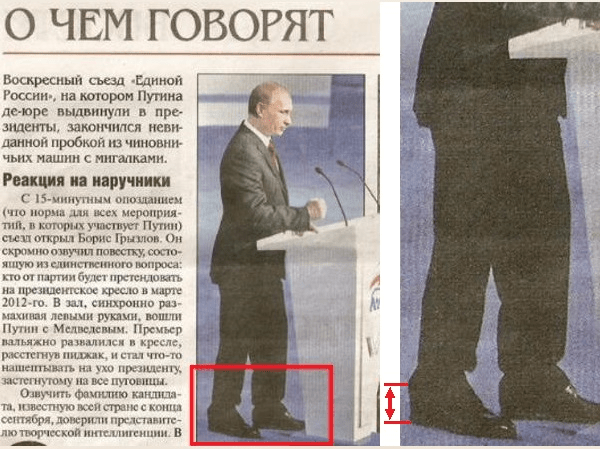
Returning to the story with the Kirishi Oil Refinery, Sobyanin went to St. Petersburg in the 90s, of course, not to save the plant from crime. But to negotiate with it. To seek a compromise: St. Petersburg is yours, expensive crime (Putin, Timchenko and the Tambov guys), but the oil is ours. And judging by their subsequent friendship with Putin and the fact that Timchenko has been milking the plant to this day (for more than 20 years), the negotiations were successful.
- Tambov Fuel Company.
When the Soviet oil industry was divided in 1993, Surgut got some good assets in the Northwest of Russia: the Kirishi oil refinery (the only one in the region), the Neft-Kombi gas station chain (more than 100 gas stations in St. Petersburg), the Ruchi oil depot (70% of gasoline storage in the region), the Krasny Neftyanik oil depot (fuel oil and oils), Lennefteprodukt (a network of gas stations in the Leningrad region), etc.
In short, Surgut got a monopoly on the St. Petersburg fuel market.
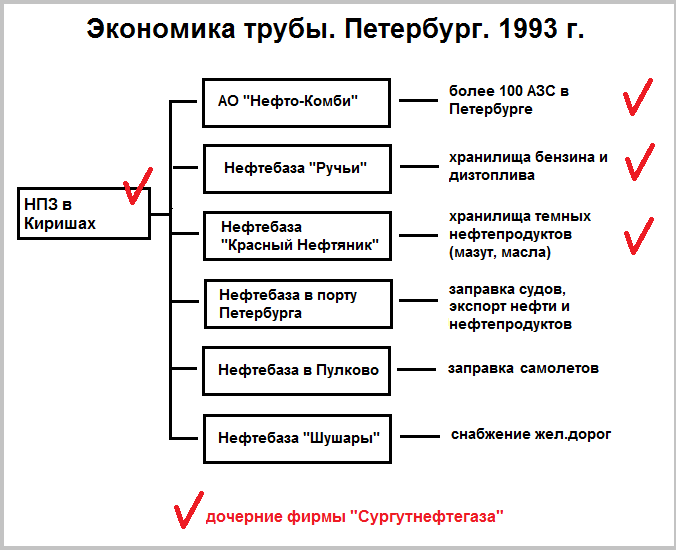
It did, but not for long.
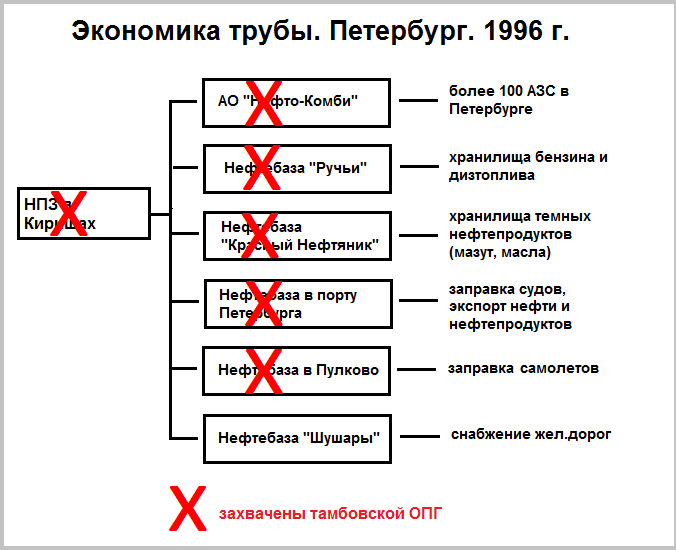
The Tambov organized crime group quickly set its sights on all this wealth. By 1996, Surgut had already lost de facto control over its subsidiaries in St. Petersburg. The entire arsenal of raider takeovers was used on them. Tax authorities and cops were sent to the Ruchyi oil depot, and they left only when the director handed the depot over to the arendu to bandits for pennies. Later, the shares of the oil depot were transferred to them.
In 1996, Surgutneftegaz was simply thrown out of the shareholders of the Surgut subsidiary of Neft-Kombi (the largest network of gas stations in the city). They carried out an additional stock issue and diluted its share to a small package. The shareholders’ meeting, where such a decision was made, was held under the dictation of bandits. The lawyer – a representative of Surgut, was met in the entrance in the morning before the meeting by strong guys who recommended that he behave correctly, so as not to regret it later.
In all cases, the property of Surgut in St. Petersburg was squeezed out in favor of the Petersburg Fuel Company (PTK), which was jokingly called the Tambov Fuel Company. In honor of the organized crime group of the same name, which refueled there. Surgut filed a lawsuit, of course, tried to challenge. But it was useless. It was a rehearsal for the Yukos case, only on a city scale.
At one time, most of these gas stations belonged to Surgutneftegaz…
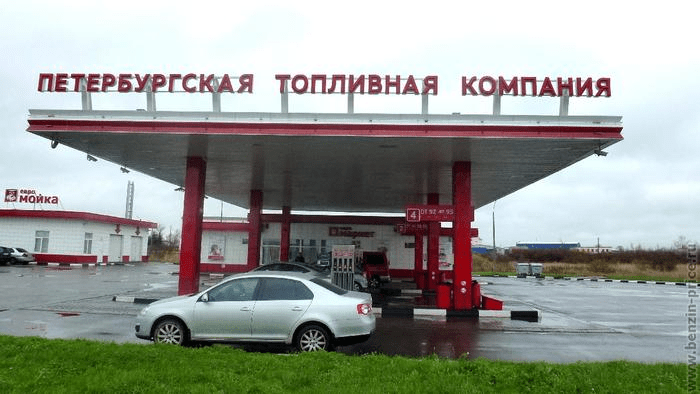
PTK was created by the mayor’s office in September 1994 under the plausible pretext of a stable supply of fuel to the city. At the time of its creation, no one had a controlling stake. There were 21 founders with a share of 4.76% each. Large fuel consumers (the city, the railway, shipping companies), oilmen, and bandits also entered (but without a controlling stake).
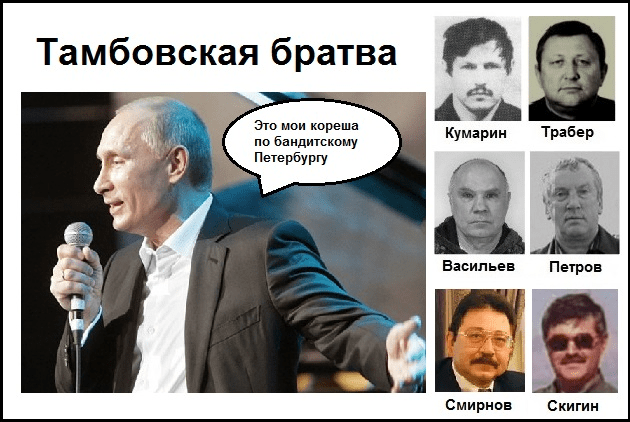
But by the end of 1996, the authorities Traber, Gena Petrov, Kumarin and their cronies, through a chain of their companies, owned more than 50% of PTK shares.
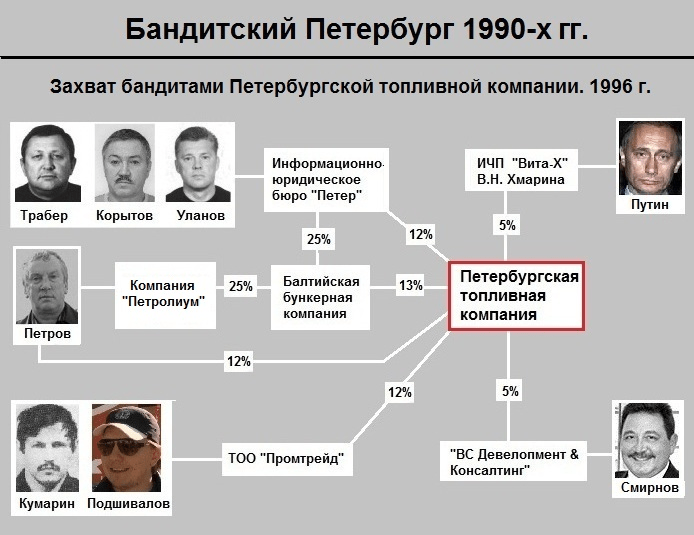
Putin and his friend Vladimir Smirnov (chairman of the Ozero cooperative) received another 5%. From the mob for services. Putin registered his share in the name of his friend and classmate Viktor Khmarin, Smirnov – in an offshore company from the Virgin Islands.
The composition of the gangster shareholders that formed in PTK in 1996 was not final. Later, in 1998-99, Kum took the shares of other authorities, becoming the owner of the controlling stake. At the same time, Kum did not touch the shares of Putin and Smirnov, Smirnov’s share even grew to 10%. Putin became the director of the FSB in Moscow in 1998, such a shareholder was very useful for the gangsters.
Viktor Khmarin, to whom Putin’s share in PTK was registered, is one of the first Putin cellists known to science. Khmarin is a sambo and judo wrestler, he got into the law faculty of Leningrad State University through a sports quota in 1970, like Putin. Positions himself as a “lawyer”, but in fact he is the same “lawyer” as his friend Vova Putin: he spent all his studies in the gym.
Viktor Khmarin
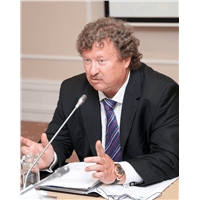
In the 2000s, Viktor Khmarin’s business, as usual, went uphill, he was a supplier of pipes and all sorts of things for Gazprom for many years. Then in 2007, he and Putin had a falling out (Viktor Nikolaevich was not restrained in his language and was recorded several times). Well, accordingly, another judoka, Rotenberg, took Khmarin’s place in tenders. An old friend disappointed him, so why not steal now?
- Kum and Podshivala.
Like Putin, Kum preferred not to register PTK shares in his own name, but to use a professional front man. It looked like this:
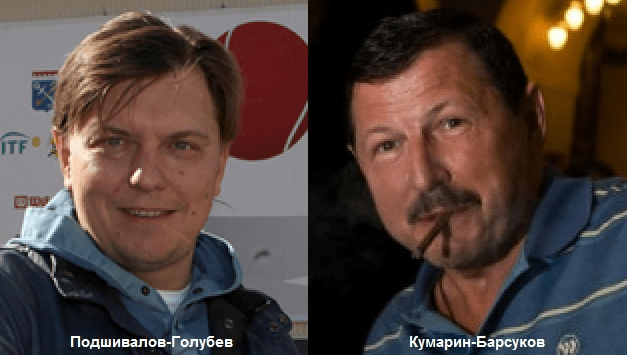
This is Andrey Podshivalov, Kum’s personal financier, who had been working for him since the early 90s. It was Podshivalov who registered such pearls of his empire as PTK and the 5-star Grand Hotel Europe on Nevsky (until 1991 – the European Hotel).
Officially, Podshivalov is the owner of the St. Petersburg City Bank (Gorbank), which in turn has held a controlling stake in PTK since the early 2000s. But in fact, Gorbank is the bank of the Tambov organized crime group, and Podshivalov is Kum’s cellist.
With such serious assets, Podshivalov officially became a billionaire in the 2000s and got into the Forbes lists. At the same time, he changed his last name to Golubev (after his wife). Sort of went into hiding. By the way, Kum also changed his last name in the late 90s, becoming Barsukov (on his mother’s side). However, the change of last names did not change the essence. Everyone understood perfectly well for whom Podshivalov-Golubev was holding billions and how Kumarin-Barsukov had amassed them.
But what is interesting is that in the 2000s, not only Kum’s shares were transferred to Gorbank, but also Putin’s and Smirnov’s. Khmarin was left with pennies, 0.55%, which were, apparently, his personal share in PTK, payment for his work at par.
The true meaning of the transfer of Putin’s and Smirnov’s shares to Kumarin’s financiers is still unknown. Most likely, Putin and Smirnov simply sold their 15% to the gangsters, leaving the business with a profit. They entered PTK for pennies in the 90s, on corrupt connections, and in the 2000s the company was already worth almost a billion dollars.
In this regard, of course, Kumarin’s repeated statements (both at liberty and later in pretrial detention) that he had never met Putin are funny. After all, they had a close friend in common (Smirnov) since the 90s. In addition, it turns out that Kum, the owner and vice-president of PTK, did not know who he was in this company with and from whom his adjutant Podshivalov was buying shares? — It’s hard to believe.
St. Petersburg, 1999. Vladimir Smirnov and Vladimir Kumarin (both vice-presidents of PTK at that time), followed by “Pozdnyak” (authority figure Georgy Pozdnyakov, killed in April 2000).
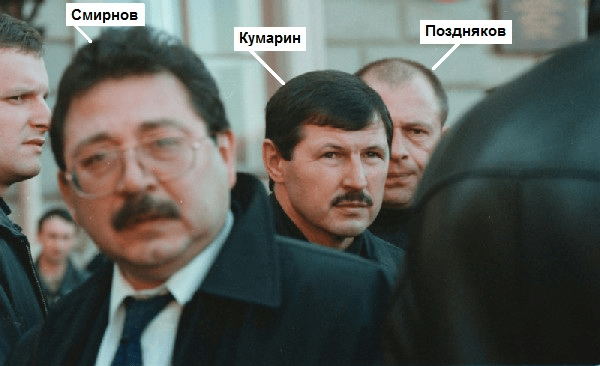
In the mid-2000s. Kum reached the peak of his power. He was called the “night governor” of St. Petersburg. But then he fell out of favor with the guys from the Kremlin.August 2007 he was arrested. Three sentences for different episodes for a total of more than 50 years. Someone clearly decided to put him in prison for life.
What is the reason for his disgrace? – Kum got out of control, “got out of his depth”. For some time now he has been openly expressing disdain for the official governor of the city, Valentina Matvienko (Valya-Stakan). So, in 2005, Kumarin and his guys attacked Valya-Stakan’s girlfriend Natalya Shpakova and took away her restaurant on Nevsky. They showed who is the boss in the city.
In addition, in 2006, Kum attacked the authority figure Sergei Vasiliev, his colleague in the Tambov organized crime group. On Kum’s orders, they tried to kill Vasiliev and take away from him the Petersburg Oil Terminal (PNT) worth 500 million dollars. And Vasiliev was under Timchenko. He was driving oil products through the terminal. Vasiliev survived the assassination attempt, PNT remained with him, but his senior comrades were tense: the redistribution of the port, which they had divided long ago in the 90s, was not part of their plans.
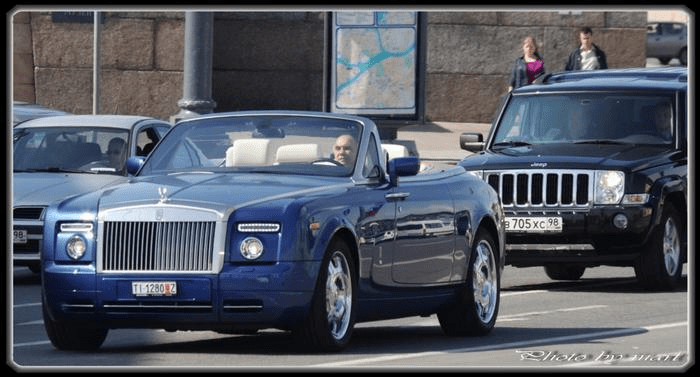
2010, St. Petersburg. The departure of the criminal authority Vasiliev to the city. A blue Rolls-Royce, a security jeep, one of the leaders of the Tambov organized crime group is driving personally.
But that’s not all. In addition to his insatiable greed, Kum began to say too much in interviews. In June 2007, he said that “about a year and a half ago” he allegedly met with Litvinenko, they talked and he “seemed reasonable to me.” But Litvinenko is Putin’s enemy, a collector of dirt on his ties to the mafia.
In the end, Kum was imprisoned, while Podshivalov was not touched. He still holds a controlling stake in PTK. In the rating of the richest people in St. Petersburg, compiled by the newspaper Delovoy Peterburg, in 2015 Podshivalov and his “family” took 10th place with 60 billion rubles. They even slightly outstripped Kovalchuk (“Kosoy” from the “Ozero” cooperative).
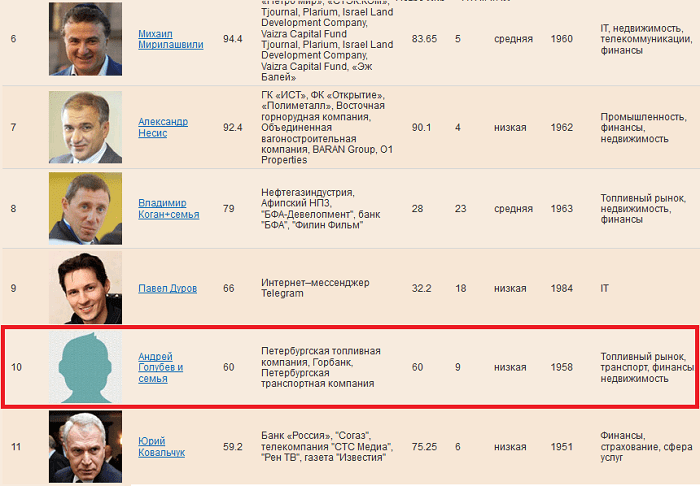
By the word “family”, the Delovoy Peterburg journalists meant, of course, Podshivalov’s wife Olga Golubeva (they work together). But in fact, Podshivalov’s family is the Tambov organized crime group. That’s THEIR 60 billion rubles.
- “The whole team worked together…”
The gasoline market is gas stations. Gas stations cannot operate without an oil depot where they get fuel. And an oil depot needs an oil refinery that produces this fuel. The bandits had such an oil refinery in Kirishi.
The Kirishi refinery is a huge enterprise, occupying an exceptionally advantageous position. Petersburg, ports, Finland, the Baltics are nearby.
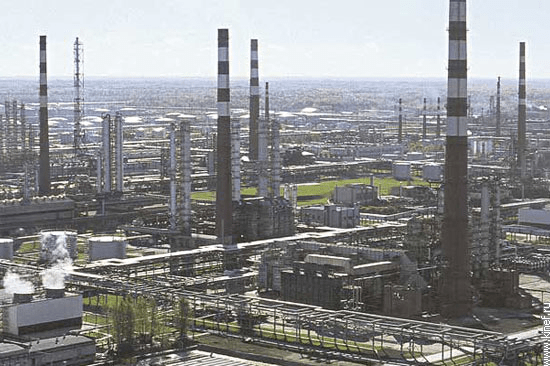
Since the early 90s, the refinery was under the control of Timchenko’s brigade. They clung to the plant with a death grip. This brigade was friends with the Tambov people, and with Putin, of course.
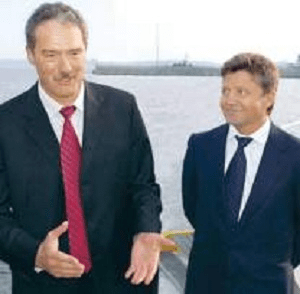
How did the brigade work? Since 1987, the export of the plant’s products was concentrated in the state firm Kirishineftekhimexport, also known as Kinex (since 1994). It was run by Timchenko and his three friends: Katkov, Malov and Adolf Smirnov. Timchenko, Katkov and Malov are former employees of Lenfintorg (a division of the USSR Foreign Trade in Leningrad, Timchenko was a KGB undercover there). Adolf Smirnov is from Kirishi, deputy director of the plant.
Andrei Malov (left) and Evgeniy Katkov:
Kinex took the products from the plant and sent them abroad, to its partner in Finland. The partner resold them further to the West. The partner was the joint venture Urals Finland, created by the PGU KGB (First Main Directorate of the KGB, now the SVR). The security officers working there were Pannikov, Tarasov, Rovneyko, and others.
The scheme for exporting oil products from the Kirishi Oil Refinery in the first half of the 1990s.
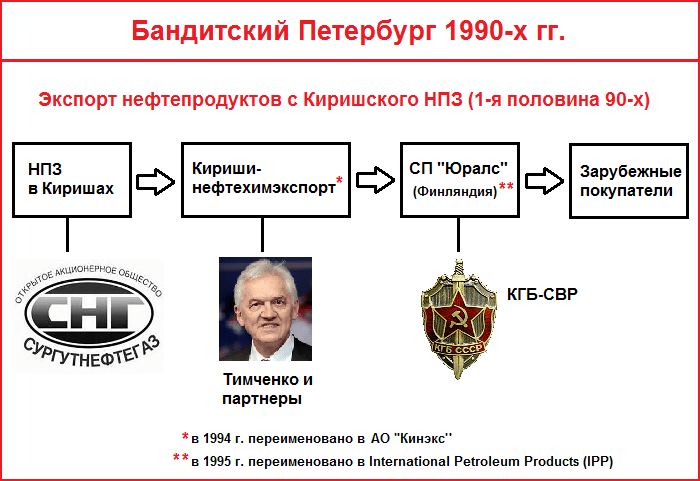
The Urals company was created in 1990 with the permission of General Shebarshin, the then head of Soviet intelligence. It was planned to use it to cover up some KGB operations abroad. With the collapse of the USSR, it simply passed into the hands of its employees and served them for personal enrichment.
Andrei Pannikov, a security officer from the PGU. In 1988 he was expelled from Sweden for espionage, and since 1990 he has been a director at Urals. He made a large fortune in the oil business.
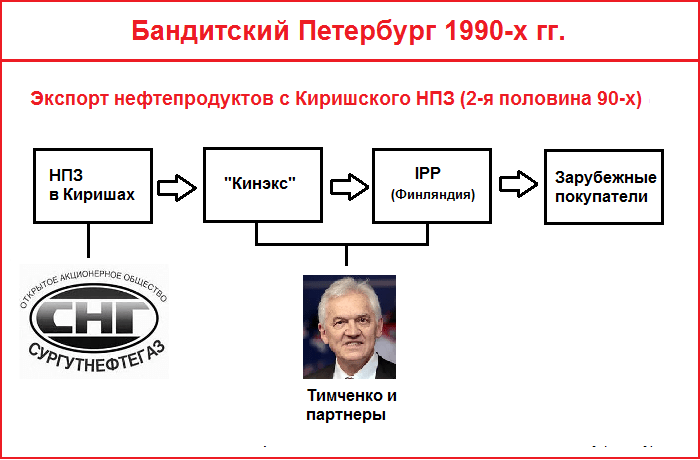
In 1993, by decision of Moscow, the Kirishi refinery was given to Surgutneftegaz. In 1994-95, Surgutneftegaz was privatized and became a private company. However, Kinex, its key foreign trade division, was privatized separately.
As a result of a series of machinations (including deliberate bankruptcy), in 1994 it was taken over by the already familiar brigade: Timchenko and his three partners (Katkov, Malov, Adolf Smirnov). In 1995, they also bought out the Urals joint venture in Finland, which became known as IPP (International Petroleum Products). Now the entire chain of oil product sales abroad was in their hands.
The scheme for exporting petroleum products from the Kirishi Oil Refinery in the second half of the 1990s.
In fact, Timchenko and his team took over not only exports from Kirishi in the 1990s, but also domestic sales. The PTK bandits held a monopoly on the city’s gasoline market, and Timchenko was their monopoly supplier.
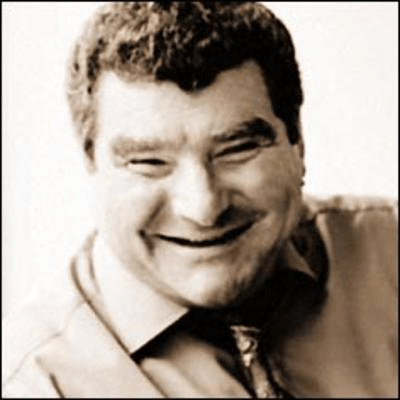
This is businessman Maxim Freidzon (Max the Gunsmith), who was involved in the fuel business in St. Petersburg in the 1990s:
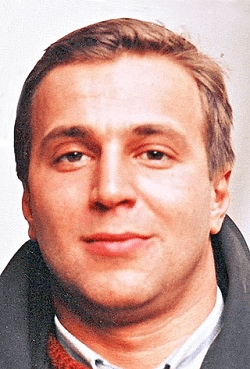
Freidzon and his partner Dmitry Skigin worked under the protection of the authority Vasiliev in the 1990s. They ran an oil depot in Pulkovo, where planes were refueled. Vice Mayor Vova Putin helped them get there. Not for free (for a 4% kickback, as Freidzon claims).
Freidzon knew all the main players in the fuel Petersburg market in the 90s, authorities, officials. In 2015, in an interview with Radio Liberty, he recalled:
“Timchenko needed sales for his organization Kinex… There was a certain condition that was followed by all participants in the business until recently, until Lukoil entered [this was already in the 2000s], that all oil products were taken only from Kirishi. From no one else – it was categorically impossible (…)
The whole team worked together: Vasiliev, Kumarin, Traber, Skigin, Timchenko. There was a distribution of roles, the task was clear. Essentially – to take all supplies in the North-West, mainly export and internal city, thereby ensuring sales for Timchenko. Timchenko also had local sales – the whole of St. Petersburg was serviced by Ruchi…”
“Ruchi” is the same oil depot with gasoline storage facilities that the bandits took away from Surgutneftegaz in 1996. The “team” that worked together was the Tambov organized crime group, security officers and officials.
- The Gunvor Era.
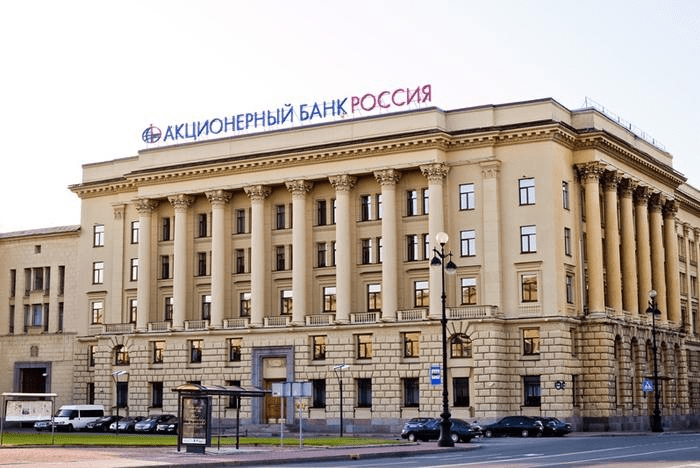
In the late 90s, with the rise of Putin in Moscow, Timchenko’s brigade also began to reach new heights. In 1997, Timchenko and his IPP became shareholders of Bank Rossiya. Bank Rossiya is Putin’s common fund, the bank of the Ozero cooperative (future summer residents Kovalchuk, Yakunin and others joined it back in 1991).
Now the common fund was replenished with money from the Kirishi Oil Refinery, which went through IPP and Kinex. Timchenko and his team received about 20% of the bank’s shares, and Andrei Katkov became the chairman of the board of directors there in 1998. This scheme would be repeated more than once in the 2000s. As soon as Putin’s people get their hands on something, it immediately goes to Bank Rossiya. All the flows are in one place and under control.
The building on Rastrelli Square, No. 2 in St. Petersburg. The headquarters of Bank Rossiya. Someday it will be called the “Lake House” and a museum of Putin’s mafia will be opened. In the meantime, billions from oil trade go here, everything stolen from Gazprom (Gazprombank, Sibur, Sogaz) is transferred here, and Roldugin’s offshore companies in Panama were managed from here.
Another interesting detail: until 1999, Kinex was a company that specialized in trading oil products. But in 1999, they also started trading crude oil. Naturally, also from Surgut.
At first, in 1999-2002, Kinex was only one of the intermediaries trading in Surgut oil, and not the largest one. However, unlike others, it took oil from Surgut at prices much lower than the market. In the 2000s, the Anglo-American investor William Browder conducted an investigation into the activities of Kinex based on customs statistics.
It turned out that Kinex took oil from Surgut with a “discount” of $35 per ton (about $7 per barrel), and resold it abroad at normal prices. Considering that a barrel of oil cost about $20 in the early 2000s, Kinex got oil at 25% below the market price. In this simple way, Putin’s people pumped about a billion dollars out of Surgut in 1999-2002.
William Browder, head of the international investment fund Hermitage Capital Management.
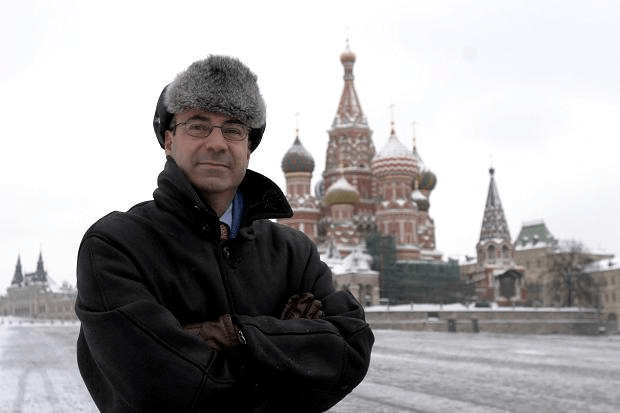
Browder investigated Kinex’s schemes and also demanded that Surgutneftegaz reveal the owners of the controlling stake in this oil company (which have been classified since 2003). All this caused a violent reaction in the Kremlin, which declared a real war on Browder.

In addition, in 2007, Browder’s auditor Sergei Magnitsky uncovered a scheme by which some officials stole $230 million from the Russian budget through the Moscow tax office. The money went abroad. The scheme was serial, this is just one episode.
The stolen money was later found in parts in various corners of the world. And in 2016, part of it was found in the offshore accounts of cellist Roldugin. It turns out that Vladimir Vladimirovich does not disdain such a deal either…
But the conflict between Putin and Browder with Surgut began. And the scheme with Kinex – this was a classic of the bandit capitalism of the 90s – is called “privatization of profits”. It does not matter who the office is registered to, the main thing is who milks it, sits on the flows.
And the flows, meanwhile, grew. Soon it smelled of really big money (tens of billions). And then in 2002-2003, Putin and Timchenko carried out a revolution in Surgutneftegaz: they took the whole cow for themselves. Timchenko’s old partners (Katkov, Malov and Co.) were thrown out of business. Why share with those who are no longer needed?
After which the entire system of sales of oil products and crude oil of “Surgut” was rebuilt. All sales of “Surgut” were transferred to two monopoly intermediaries: the firms “Surguteks” and “Gunvor”. The first one settled on sales of oil products, the second – crude oil. The 15-year era of “Kineks” ended here. The era of “Surguteks” and “Gunvor” began.
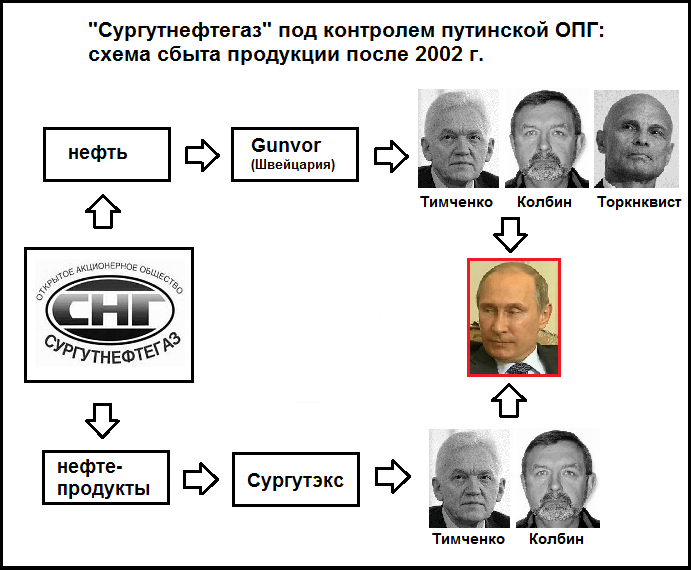
“Surguteks” was created in St. Petersburg in 2002. By 2004, according to “Forbes”, its turnover had grown from zero to 360 billion rubles per year (12 billion dollars at that exchange rate). It’s no joke – all sales of oil products of “Surgutneftegaz” within the country and abroad.
Next came the turn of crude oil. The Gunvor company appeared in Geneva back in 1998, but few people had heard of it until 2002. But then the guys from Gunvor suddenly started shipping Russian oil abroad in cosmic volumes – tens of millions of tons. In 2004 In 2006, Gunvor’s turnover was $5 billion, in 2006 it was already $40, and in the 2010s it exceeded $80.
Gunvor received a monopoly on Surgutneftegaz oil exports, and after the takeover of Yukos, it got involved there too, taking about 40% of Rosneft’s sales. And then they also bent TNK-BP (Fridman and Alfa-Bank) over to work with Gunvor. In short, Vova Putin and his friends got a taste for it.

In 2007, oil market analysts were amazed to discover that Gunvor exported 80 million tons of oil out of 250 million tons (almost a third) out of Russia’s 250 million tons. And that’s not the limit, the turnover only grew in the future. The money earned was invested all over the world. “Gunvor” has become an empire with offices on all continents, a tanker fleet, its own terminals in Ust-Luga and Novorossiysk. The guys bought three oil refineries in Europe (Antwerp, Rotterdam and Ingolstadt) and an oil pipeline along the Panama Canal.
And the Gunvor guys are also patriots of their country and help domestic sports: “Gunvor” is a sponsor of the hockey and football club “Servette” (Geneva).
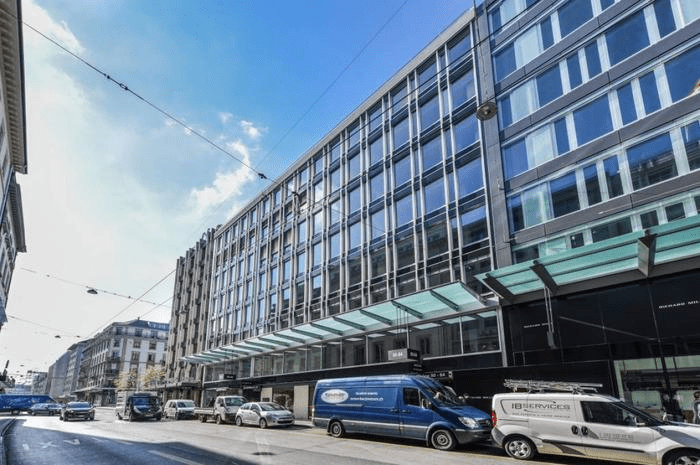
Geneva, ul. Rhone, 80-84. Headquarters of “Gunvor”. From this building, the export of oil “Surgutneftegaz” is controlled. In Surgut they pump, here they saw.
- Secrets of the Surgut thief.
Who were the founders of “Surgutex” and “Gunvor”? – In Surgutex, Timchenko received 51%, and a certain Petr Kolbin received 49%. Timchenko introduced him as his childhood friend, supposedly their fathers were officers in the Soviet Army who served together in the GDR in the 1960s. Then Kolbin worked as a butcher in a store, and in the 2000s, Timchenko decided to help his friend financially: he took a share in the oil business. That’s the legend.
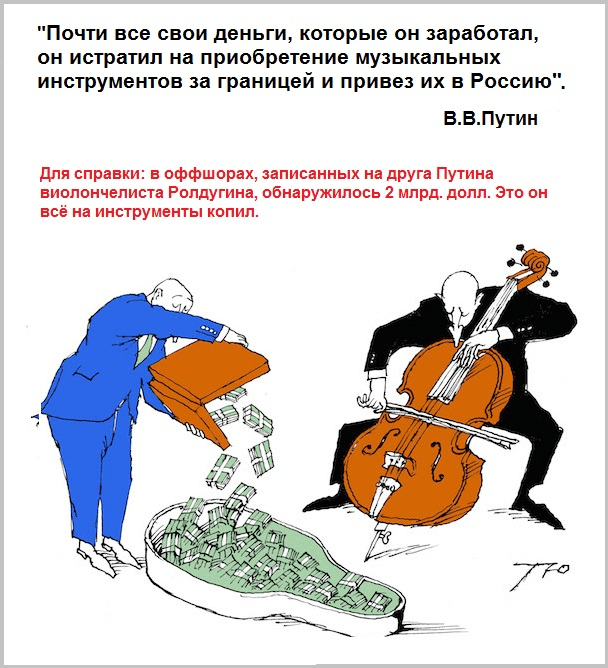
Swindlers in Russia like to register one-day companies in the names of alcoholics… That’s how Vova Putin registered his share in Surgutex (and not only) in the name of his childhood friend Petya Kolbin from Ivangorod (Leningrad region). Kolbin is actually Putin’s childhood friend, they have known each other since they were 2 years old. His father is not an officer, but a school teacher (we will talk about this a little later). Well, “businessman” Kolbin is the same as cellist Roldugin. Just a holder of other people’s capital.
As for the Gunvor company, its founders were a secret for a long time for the general public. The situation was aggravated by the fact that there were several Gunvors. One in Switzerland (which, in fact, exported 80 million tons of oil from Russia), but its founder was another Gunvor – from Cyprus. In addition, some of the operations (the most murky) went through Gunvor from the British Virgin Islands. In short, a whole gang of Gunvors gathered there.
In 2007, it became known that the founders of Gunvor were three people – Timchenko, the Swede Torbjörn Tornqvist and a certain third shareholder, whose name was not disclosed. The Swede Tornqvist is a professional oil trader who worked with the Chekists from Urals in the 90s, where he met Timchenko.
Torknvist (far left) with friends:
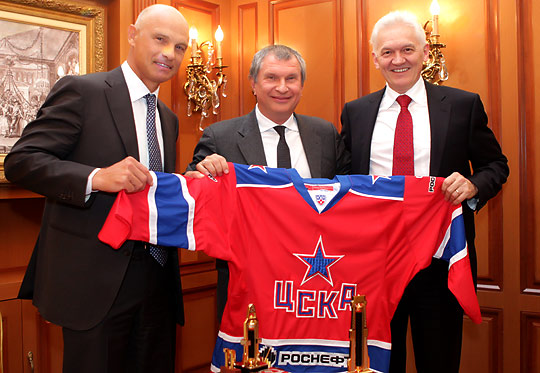
When Gunvor began to be developed in 2002, Timchenko and Torknvist moved to Geneva, closer to the headquarters, settling in mansions opposite each other.
Timchenko and Torknvist did not reveal the third shareholder of Gunvor for a long time. In 2007, Torknvist told the media that the secret third shareholder, whose name he does not have the right to name, “is not connected with politics in any way,” but it was he who provided the money for the initial development of the company. An investor of sorts.
However, around 2009, the name of this person was finally made public: Pyotr Kolbin. He invested his personal savings in Gunvor, accumulated in the meat department of a grocery store (joke).
In 2014-15, Timchenko and Kolbin were sanctioned as Putin’s trusted persons. And in 2016, in an interview with the BBC, US Deputy Secretary of the Treasury Adam Szubin said that, according to the competent US authorities, Putin’s personal money was invested in Gunvor and that he was directly involved in the promotion of this company.
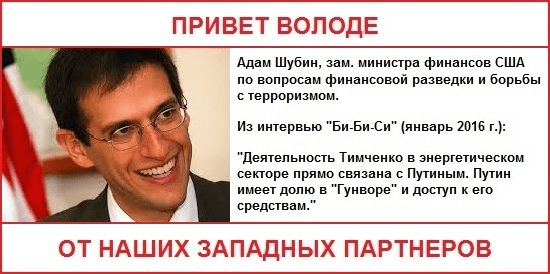
Of course, Gunvor itself denies everything. If you take any interview with Tornqvist, there is the same legend everywhere: brilliant businessmen, a Swede and butcher-Chekists got together. And it went off the rails. Although the reason for the success lies on the surface: someone ordered Surgutneftegaz to transfer its flows to them. He is the true author of their business.
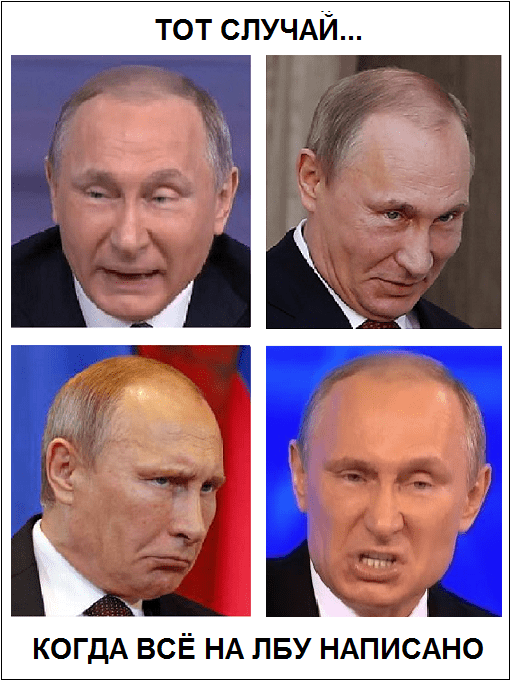
How much money did Vova-Gunvor and friends make on the export of Surgut oil? Considering that Gunvor is the direct successor of Kinex, which back in 1999-2002 took Surgut oil at prices a quarter below the market, then we are talking about a billion-dollar fortune. In 2007, political scientist Stanislav Belkovsky in an interview with the newspaper “Welt” estimated the profit of “Gunvor” for 2006 at 8 billion dollars (with a turnover of 40). This is for one year.
Officially, however, “Gunvor” never disclosed its profit for 2002-2010. Only revenue. After 2010, the head office (which is in Switzerland) began to show profit, but the bare minimum – 1-2% profitability. The rest is stuffed into offshore accounts.
- Bedmate.
In 2000, a letter arrived in the village of Yasny, Pinezhsky District, Arkhangelsk Region. They couldn’t believe their eyes at the post office. Russian President Putin congratulated a local veteran, Viktor Ivanovich Kolbin, on his birthday. Of course, since Vova had known Uncle Vitya since childhood.
Viktor Kolbin was born in 1922 in a village near Kingisepp (Leningrad region) l.). He fought, and after the war he became a teacher. He traveled around the country. He worked in Orenburg, then in Leningrad and the region, and in the 1960s he actually spent several years in Germany as a teacher at a school near Berlin for the children of Soviet officers. And in 1971 he moved to the North and for many years was the director of a school in the Pinezhsky district.
Viktor Kolbin with his school colleagues. 1974
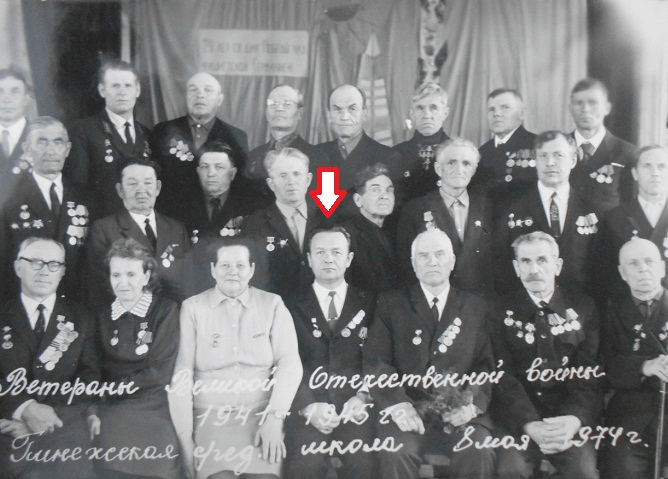
In the 1950s, Viktor Kolbin had a friend in Leningrad named Vladimir Spiridonovich Putin. They became close, and spent their holidays together in the village of Imenitsy near Kingisepp. Putin’s parents lived there with Kolbin’s relatives. And Kolbin Sr. had a son, Petka, who had been friends with Volodka, Spiridonych’s son, since childhood.
Kolbin’s father and son. Petr Viktorovich Kolbin (on the right) is the secret billionaire from Gunvor and Surgutex.
His father gave several interviews to the media in the 2000s.
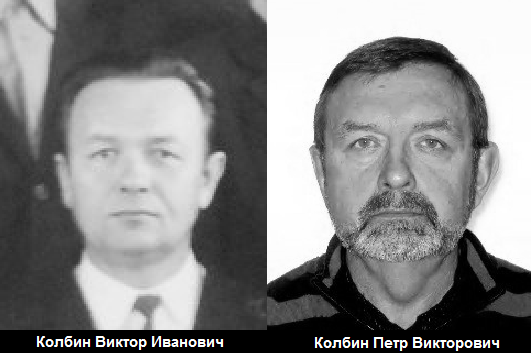
In one of them (for the newspaper Pravda Severa, issue dated 17.01.2002), Kolbin Sr. recalled:
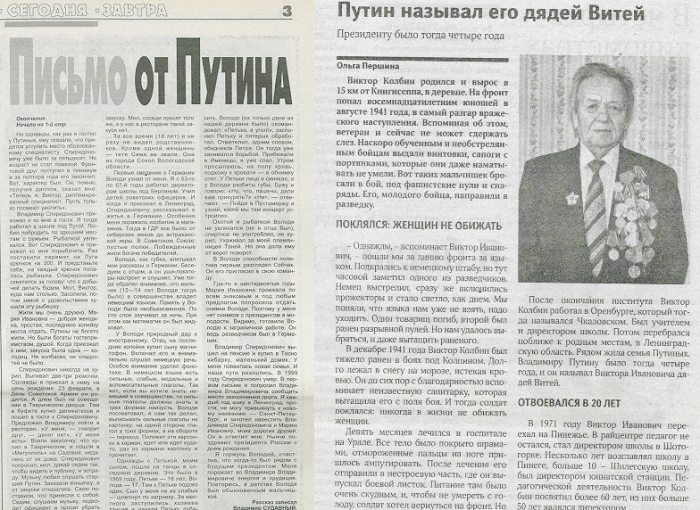
“I have been very close to Vladimir Vladimirovich Putin’s parents since 1954. Volodya was two years old then. In the village of Imenitsy, the Putin family rented a room from my aunt. That’s where I met the Putins (…).
Every summer, the Putins came to the dacha, where I, who was then a graduate student at the Herzen Pedagogical Institute, also vacationed. We [Kolbin Sr. and Putin’s father – author’s note] were both blockade survivors, both survived the worst thing – the war, and quickly found a common language (…).
Kolbin Sr. with veteran awards (he died in 2014 at the age of 92):
That 2002 interview contains some interesting details about the adventures of his son Petka with his friend Volodka:
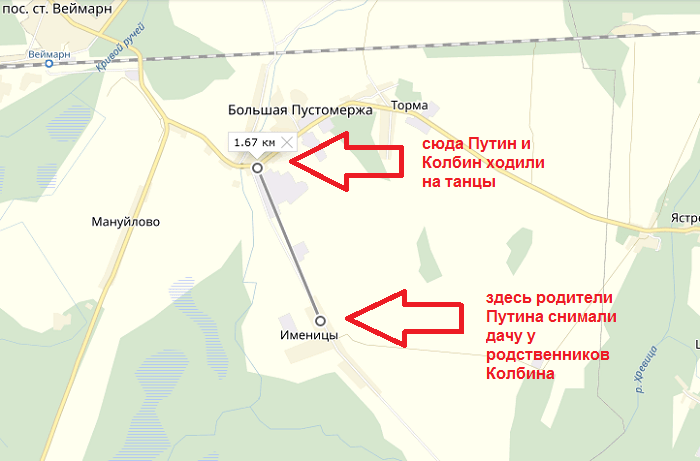
“Once, with Petka, my son, they went to a dance in a neighboring village. It was in 1969. Petka was 18, Volodya was 17. There, one guy approached Petka. My son is not one of the weak ones – he slapped him on the back of the neck. The hosts of the dance stood up for the local and started beating Petka. Volodya (there were only two of them from our village) commanded: “Petka, into the corner!”, shielded Petka and dealt with five of them. In a word, he beat up Petka’s offenders. He was already involved in wrestling at that time. We ran to Imenitsy, I was already asleep. In the morning I wake up, there is blood on the floor, I go to the bed – they are sleeping in an embrace. Petka’s face is bruised, and Volodya’s lips are split. I wake up and say: “Well, guys, did you give us a hard time?” “No,” they answer. “Go to Pustomerzha and find out what kind of concert we had there (…).
I think Petka keeps in touch with Vladimir Vladimirovich. Or maybe he works for him. But he doesn’t tell me about it. “Dad, don’t clutter your brain with things you don’t need to know.”
The adventures of Petka and Volodya with reference to the location:
A funny story. Putin and Kolbin went to Pustomerzha to dance, got into a fight with the villagers, allegedly threw everyone around, but they themselves got punched in the face. “There is blood on the floor, I go to the bed – they are sleeping in an embrace.” If this is the summer of 1969, as Kolbin Sr. says, then Putin is 16, Pyotr Kolbin is 17. Why are they sleeping in the same bed, hugging? Lack of beds in the village? By the way, this bed has now been transported to Switzerland, it is exhibited in the corporate museum of the Gunvor company in Geneva (joke).
Well, the most important thing in this interview: Kolbin’s father says that Petka still (2002) “keeps in touch with Volodka, and maybe even works for him.” But he hides it from his father – dad, they say, “don’t pollute your brain, you don’t need to know this.”
Petka had something to hide from his dad. Since 2001, he is the founder of the Raznoexport company, which immediately becomes a major supplier of Gazprom with billions in turnover. Plus, he suddenly became the owner of the South Tambey gas field in Yamal (one of the largest in the world).
In 2002, he appeared in Surgutex, then in Gunvor, and also in the Finnish IPP (there he replaced Katkov and Malov, who were pushed out of business by Putin and Timchenko). After 2010, however, as soon as his name became known, Kolbin left Gunvor and Surgutex, transferring shares to other front men. In Surgutex – to Timchenko’s clerks, in Gunvor – to an offshore trust in Switzerland. Well, in short, it was better for dad – a distinguished veteran – not to know all this.
- The richest man in the world.
After 2002, when Surgutneftegaz was surrounded by gunvors and surguteks, amazing things began to happen inside this oil company itself. Firstly, Surgut practically stopped spending profits from oil production. That is, the profit that still remained in the company minus Putin’s intermediaries – they began to save it in accounts. Year after year, they put it in deposits in Sberbank, VTB, did not invest in expanding production, as all other oil companies did. In this way, by 2016, about 30 billion dollars had already accumulated in the accounts of Surgut. That is, the owners of the controlling stake in Surgutneftegaz have a sum of money in their accounts comparable to the Reserve Fund of the Russian Federation. These are definitely the richest people in Russia, and perhaps in the world. After all, all these fortunes of Western billionaires (like Bill Gates’ $90 billion) are, basically, “paper” capital, the valuation of shares and stakes in enterprises. No one has 30 billion in cash, not even the Saudi royal family.And here comes the second oddity. Since 2003, Surgutneftegaz has stopped publishing any information about its shareholders. This has become a closely guarded secret, which Surgut refuses to disclose even in court. Surgutneftegaz is a private company, and it belongs to someone. Have you ever seen $30 billion unclaimed? Ask anyone who became an oligarch under Putin – they will laugh.

In 2008, at a meeting of Surgutneftegaz shareholders, CEO Bogdanov was asked: who owns the controlling stake in the company? Vladimir Bogdanov, the permanent CEO of Surgut since 1984, did not answer this question. He said that he himself has a mere pittance (2%), and he does not know who owns the rest. That is, Bogdanov, as the director of Surgutneftegaz, works for these mysterious owners, but who they are, no, I don’t know. Or rather, no, I won’t say.
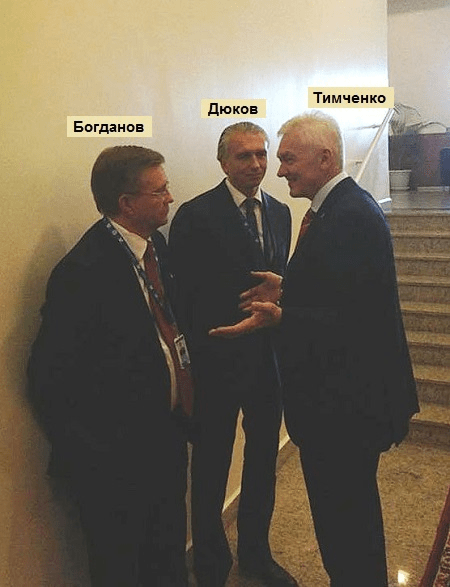
Vladimir Bogdanov (left) and his friends from St. Petersburg. Dyukov in the 90s was a trusted person of the authority Traber (Tambovskaya organized crime group) in the seaport of St. Petersburg, then the director of Gazpromneft. Timchenko is a trusted person of the authority Putin. Bogdanov, by the way, I can ask these two who the owner of Surgutneftegaz is. They should know.
The piquancy of the situation is that despite all the oil flows, people in Russia do not live well. To put it mildly. In April 2016, the average salary in the Russian Federation after taxes was 31,503 rubles or 430 euros. This is the level of Romania (there 423 euros) and below Turkey (584 euros). In the 17th year of Putin’s rule, such successes, yes.
Euro Asia News
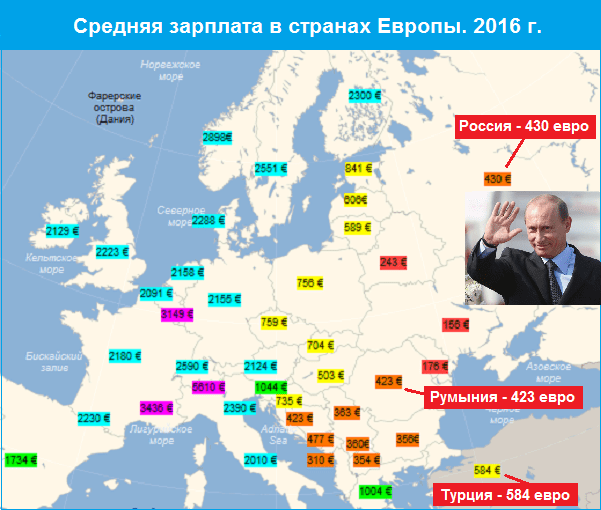
Considering that the company “Surgutneftegaz” is worth 30 billion, Russians with their 430 euros per month could be happy for the owners of “Surgut”, their compatriots (if they are their compatriots), who have such good fortune in a poor country. But these mysterious owners do not want to show themselves to Russians. Apparently, they are afraid that the joy will be too wild.
Since “Surgutneftegaz” does not disclose the names of its owners, and CEO Vladimir Bogdanov “does not know” who they are, they have repeatedly tried to identify them by indirect signs. Including by analyzing the reporting of companies associated with “Surgut”.
But all searches sooner or later led to the so-called “ring schemes”. Thus, in 2007, it became clear that 72% of Surgutneftegaz shares were held by 23 non-profit partnerships, each of which owned the others, forming a circle. Bogdanov was the director of 10 of them, and managers and clerks from his office were in the rest. In 2011, an even less clear ring of 7 firms in Cyprus was added to this ring, to which part of the shares were transferred.
“Ring schemes” were popular in the wild 90s. There is nothing new in them. Usually they mean that the company is secretly owned by the director and his partners. But Bogdanov always denied this.
Vladimir Bogdanov (right) in the Kremlin at the presentation of the “Hero of Labor of the Russian Federation” star. It’s a lot of work, yes. Be the director of 10 firms, and look after the other 20.

No matter how much Bogdanov says that he does not know the owners of “Surgut”, but the ring schemes mean that he and his subordinates control the shares. The question is, is it all his? Or does he hold them for someone?
Vladimir Milov, Deputy Minister of Energy of the Russian Federation in 2002, and now an opposition activist, in his speeches in the media (both Russian and foreign) claimed that in 2002-2003 Bogdanov actually lost the controlling stake in “Surgutneftegaz”, which he once grabbed in the 90s. Bogdanov is familiar with the tough character of the St. Petersburg mob since the 90s. He preferred to lie down under them. As he did earlier in “Ruchyi” in 1996, where he was a member of the board of directors, in Kirishi and then everywhere else.
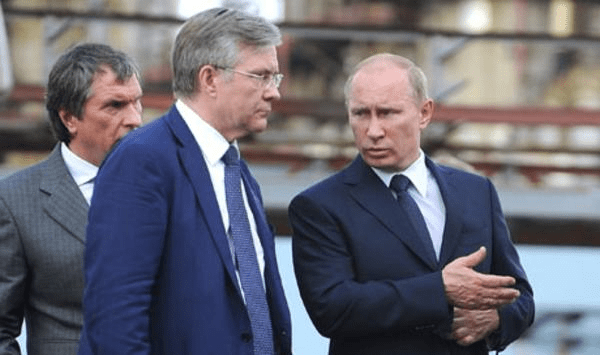
Now “Surgut” in Milov’s words is Putin’s “private stabilization fund”. Savings for a rainy day. And Bogdanov is his junior partner and hired manager. That is why the profit left after the gunvors is not spent. The owner of the gunvors does not allow it. This is his pension for old age.
There is something to be proud of, dear Russians. The richest man in the world lives in Russia, who has 30 billion dollars saved for his pension alone. He raised his billionaire friends from their knees and did not forget himself. And you will receive your 430 euros and sign.


 EURO ASIA NEWS INTERNET NEWSPAPER
You must be logged in to post a comment.