
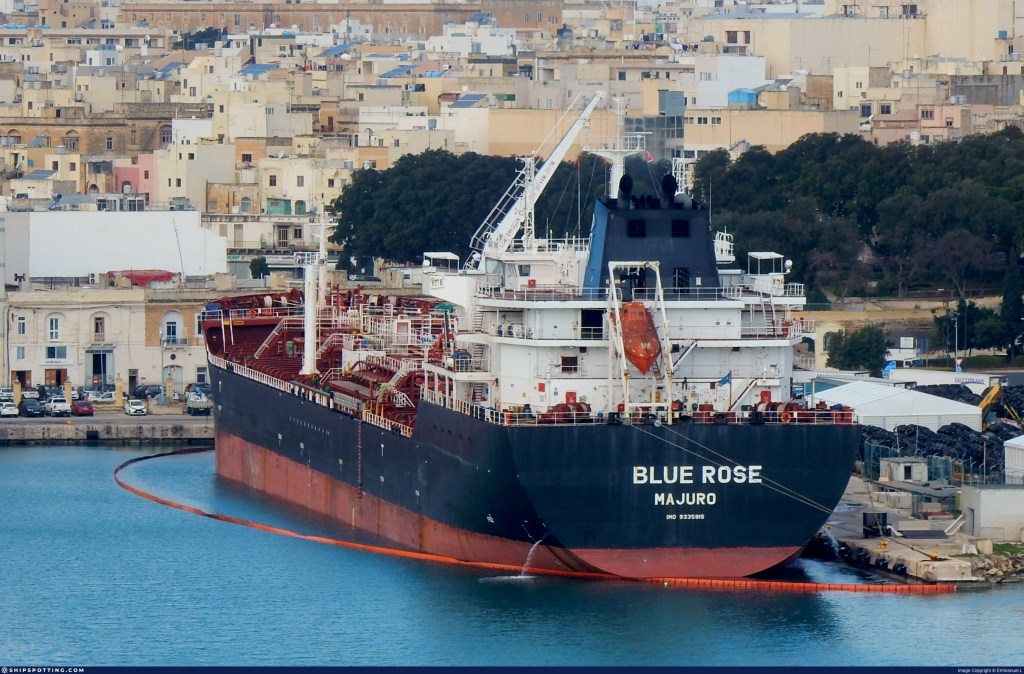
The so-called Russian shadow fleet to circumvent international oil sanctions as a result of the war in Ukraine is causing the EU increasing concern.
According to a working paper for a meeting of foreign ministers this Monday in Luxembourg, the size of this fleet is now estimated at 600 to 1,400 tankers. “These ships not only contribute to the Russian war economy, but also pose a significant threat to the environment and shipping safety,” warn experts from EU foreign affairs representative Kaja Kallas in the document, which has been made available to Deutsche Presse-Agentur.
Accidents could cause oil spills and other marine pollution – with devastating consequences for coastal areas, ecosystems and fisheries. As many of the ships have unclear ownership and, according to the experts, are uninsured or inadequately insured, the taxpayers of the coastal states would probably have to pay for repairing the damage in the event of an accident.
Moscow has been using the so-called shadow fleet for years in an attempt to circumvent a price cap for Russian oil introduced by Western supporters of Ukraine. This usually involves chartering outdated ships with ownership structures that are difficult to trace and using various methods to disguise the origin of oil cargoes. Sometimes the transponder of the satellite-based automatic identification system (AIS) is switched off or manipulated, sometimes oil is transferred between tankers on the high seas.
Ships as a platform for drone attacks
There are also warnings that ships in the shadow fleet can be used as a platform for launching drones for jamming or espionage attacks. This suspicion was also raised after the mysterious drone sightings in Denmark, which led to considerable restrictions on air traffic, particularly in the capital Copenhagen.
To get to grips with the problem, EU High Representative for Foreign Affairs Kallas is now proposing not only to take tougher action against the ships and shipping companies involved, but also to cooperate even more intensively with coastal countries and those states under whose flags the ships are registered. Ideally, these states should give their consent for ships to be inspected by naval forces from EU countries.
According to the text, three EU naval missions have already been tasked with monitoring the shadow fleet and gathering information about it since June 2025. This includes Operation Aspides, which is primarily intended to help protect merchant ships in the Red Sea from attacks by the Yemeni Houthi militia. The German Armed Forces are also involved in the mission.
In future, more than 560 ships will be on the sanctions list
In order for the EU High Representative to implement her plans, she needs the approval of the EU member states. The same applies to further sanctions. According to the document, it is planned that the number of ships affected by port bans and punitive measures will be increased from the current 444 to 562 as part of the 19th package of EU-Russia sanctions.


 EURO ASIA NEWS INTERNET NEWSPAPER