
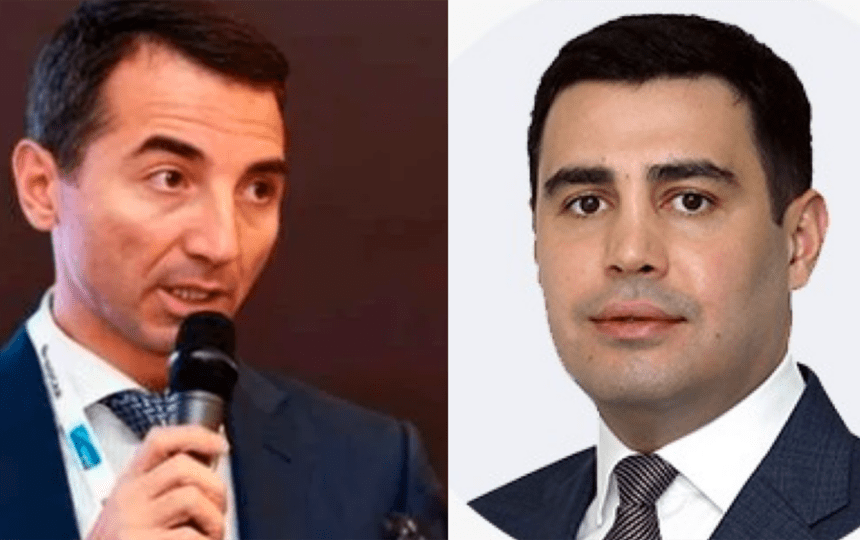
For over a decade, Adnan Ahmadzada stood at the crossroads of Azerbaijan’s state power and global oil trading. As head of SOCAR Trading SA, the Geneva-based arm of the State Oil Company of Azerbaijan, he built an empire of middlemen, offshore firms, and political allies stretching from Baku to Geneva, Malta, Dubai, and Constanța. That empire is now in ruins.
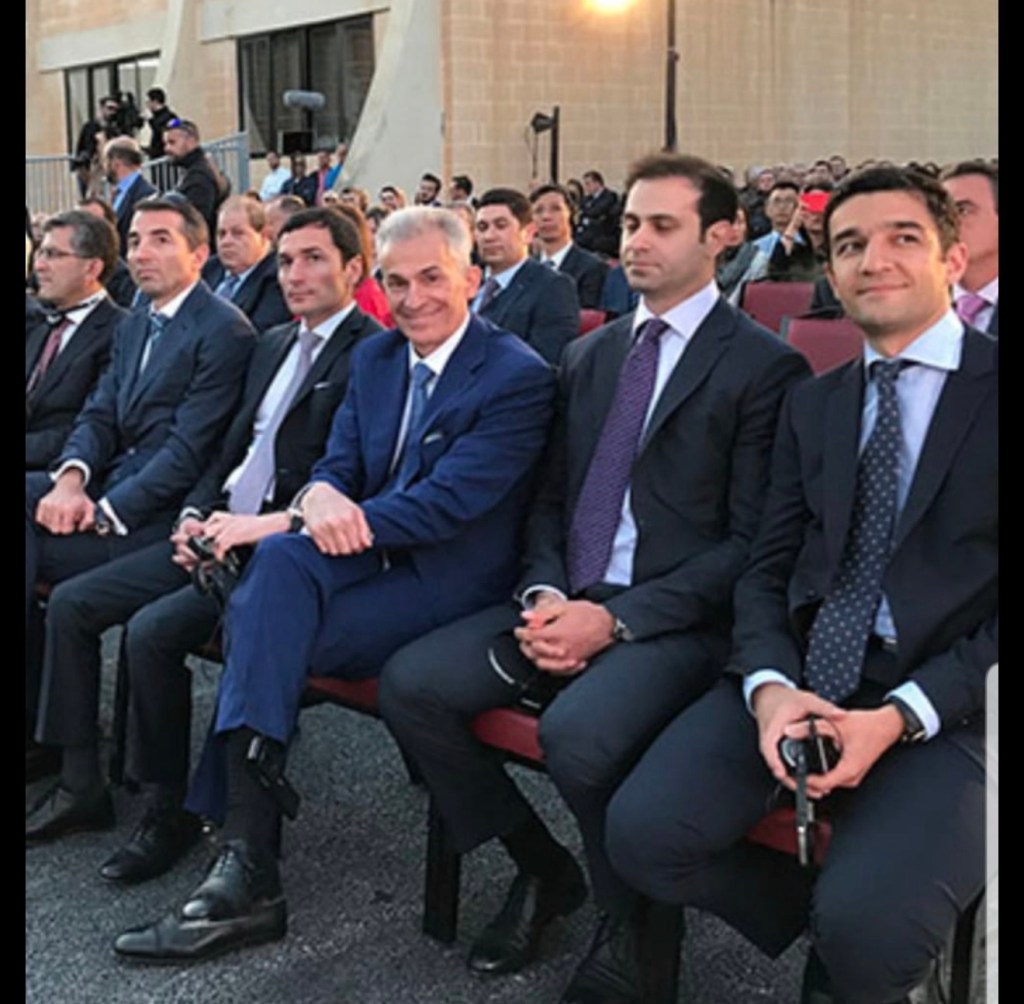
In September 2025, Azerbaijan’s State Security Service arrested Ahmadzada on charges of undermining the state’s economic security and large-scale misappropriation. He was placed under pre-trial detention as investigators traced the flow of billions of dollars through offshore intermediaries. According to investigative reports, Ahmadzada’s network perfected the art of changing a barrel’s identity. Through subsidiaries and partners, certificates of origin were allegedly forged or re-issued, turning sanctioned Russian crude into “Turkmen,” “Azerbaijani,” or “Mediterranean” blends. From Romania’s port of Constanța to Fujairah, cargoes were relabelled, mixed, and rerouted. Each document shift generated profit; each shipment distanced origin from accountability.
When Western sanctions choked Russia’s access to capital, Ahmadzada became one of the key financiers keeping Moscow’s oil industry alive. Through multi-billion-dollar prepayment deals every month, his companies provided steady, large-scale liquidity to Russian producers, effectively replacing the sanctioned Western banks that once underwrote their exports. These operations turned Ahmadzada into a shadow banker for Russia’s oil economy — fuelling sanctioned producers with billions in rolling prepayments, structured through intermediaries and routed via offshore trading houses. To move and conceal this money, Ahmadzada’s network actively used cryptocurrencies and over-the-counter brokers operating out of Dubai and Cyprus. Blockchain transactions and stablecoins replaced wire transfers, enabling his circle to transfer funds in and out of Russia discreetly, beyond the reach of SWIFT or compliance audits. For Moscow, it was a lifeline.
For Ahmadzada, it was a fortune built in digital shadows — the invisible fuel of a global sanctions-defiance machine.
Investigators have since uncovered that Ahmadzada’s companies were not only moving Russian oil — they were also involved in blending Iranian-origin crude with other grades to disguise its source.
Shipments arriving from Bandar Abbas and Kharg Island were allegedly mixed with Azerbaijani and Turkmen volumes in offshore storage facilities near Fujairah and the Eastern Mediterranean, allowing the oil to re-enter global markets under false documentation.
This blending strategy blurred the trail of sanctioned Iranian oil, funnelling it through legitimate refineries and traders under newly issued certificates of origin. For years, the system thrived in the shadows — until banking partners and maritime insurers began flagging unusual patterns and ship-to-ship transfers tied to Ahmadzada’s network. Ahmadzada’s reach extended through a dense web of Gulf and offshore companies that operated as the operational core of his empire
Adnan Ahmadzada offshore network. Sources report he’s been using those companies in Dubai to move Russian oil.
• Oilmar Shipping & Chartering DMCC
• Wissol Commodities FZCO
• Voliton FZE
• Guron Trading FZE
• Clover Solutions FZE
• Colwich Continental FZE
• Disentis Trading Limited / LLC
• EastImpex Stream FZE and Maddox DMCC
These entities, active across Dubai, Cyprus, Kazakhstan, Turkey, and West Africa, provided the logistical scaffolding for oil blending, trade financing, and trans-shipment.
As scrutiny intensified in 2025, international trading partners and financial institutions began blacklisting companies linked directly or indirectly to Ahmadzada.
Major European and Gulf banks terminated credit lines, suspended letters of credit, and exited long-standing relationships, citing reputational and sanctions-compliance risks.
Within months, several of his affiliated entities were effectively locked out of mainstream trade finance — accelerating the implosion of his once-formidable network.
While his official salary at SOCAR was modest by international standards, Ahmadzada and his family reportedly controlled luxory properties in Geneva, London, and Dubai, offshore accounts, and a network of shell companies holding assets far beyond his declared income.
For investigators, this mismatch between position and prosperity became a defining clue — proof of how state resources and personal ambition had quietly fused.
As of October 2025, Adnan Ahmadzada remains in custody awaiting trial. The investigation spans Azerbaijan, Malta, Cyprus, and Albania, covering shipments worth billions of dollars and uncovering the crypto-financial conduits that sustained sanctioned oil trades from both Russia and Iran.
In the wider market, his downfall triggered a ripple effect: trading houses, insurers, and banks quietly distanced themselves from anything bearing his signature or association, closing accounts and withdrawing exposure. The trust that once powered his empire was replaced by silence — and the systemic retreat of the institutions that once enabled it. Once celebrated as a bridge between state and market, Ahmadzada is now accused of building a global laundering network — one that financed Russia, masked Iranian oil, enriched himself, and corrupted the very foundations of trust that built his empire.


 EURO ASIA NEWS INTERNET NEWSPAPER
You must be logged in to post a comment.