
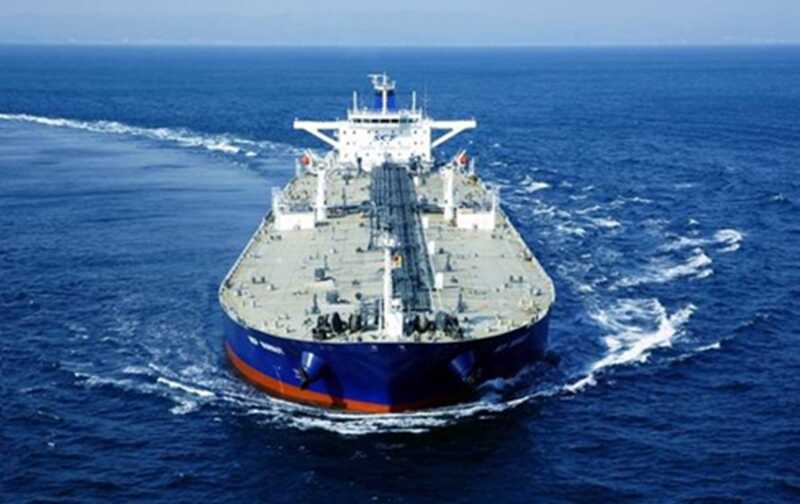
Oil exports from Russian ports have reached a three-month high, but Indian and some Chinese ports are refusing to accept cargo carried on ships that were sanctioned on January 10, Bloomberg writes.
A significant portion of the oil remains on board these tankers at sea.
The Biden administration imposed restrictions on 161 tankers linked to the Russian oil trade. As a result, about 7.7 million barrels of Sakhalin oil have been held on these ships for the past two weeks, while another 12 million barrels of Arctic oil have been at sea for several months.
The cost of transportation has also increased. The cost of transporting 1 million barrels of Urals oil from a Russian Black Sea port to the west coast of India has risen to $7.9 million from $5.6 million at the end of last year. At the same time, the four-week average of oil deliveries from Russian ports for the period up to March 2 rose to 3.09 million barrels per day – the highest level since December 1. Before the sanctions, India was the destination for about 60% of Russia’s Arctic oil exports, receiving about 64 million barrels last year. However, not a single shipment of Russian Arctic oil has been delivered to India since January 10.
Bloomberg notes that this could change if President Donald Trump reverses the measures imposed by the Biden administration.
In January, it was reported that shipping oil from Russia to China now costs shippers almost three times as much as it did before January 10, when Washington and London imposed sanctions on Russia’s “shadow fleet.”


 EURO ASIA NEWS INTERNET NEWSPAPER