
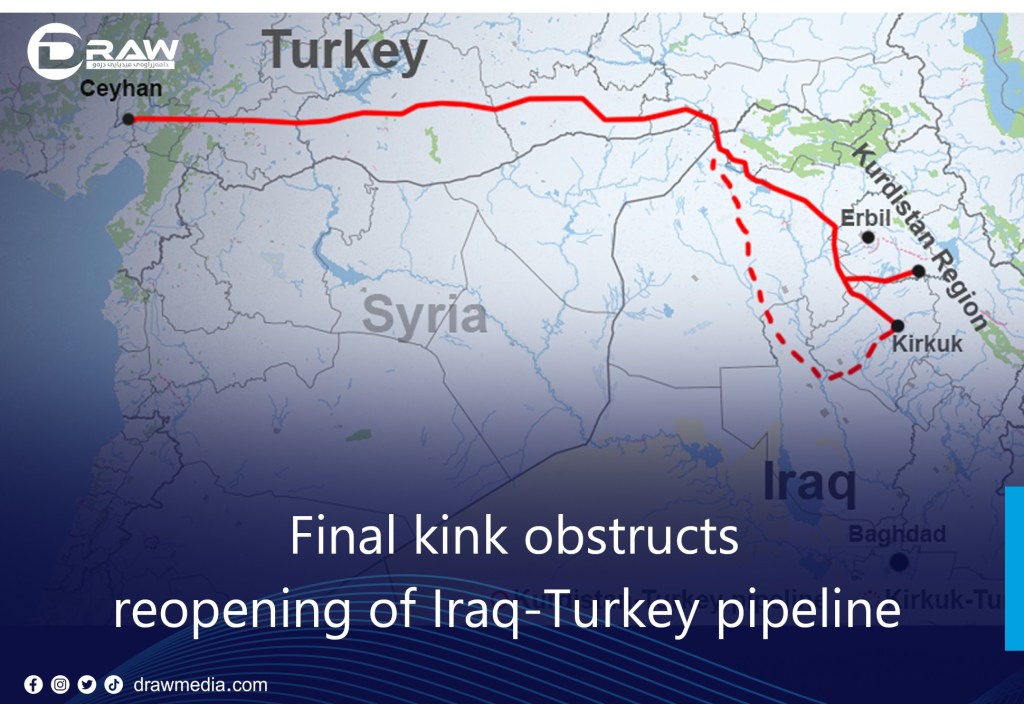
Erdogan signed a decree annulling an agreement with the Iraqi government on the Kirkuk-Yumurtalik oil pipeline that had been in force for more than half a century. The move came three days after Baghdad handed over control of oil supplies from the Kurdistan Regional Government to the State Oil Company of Iraq (SOMO).
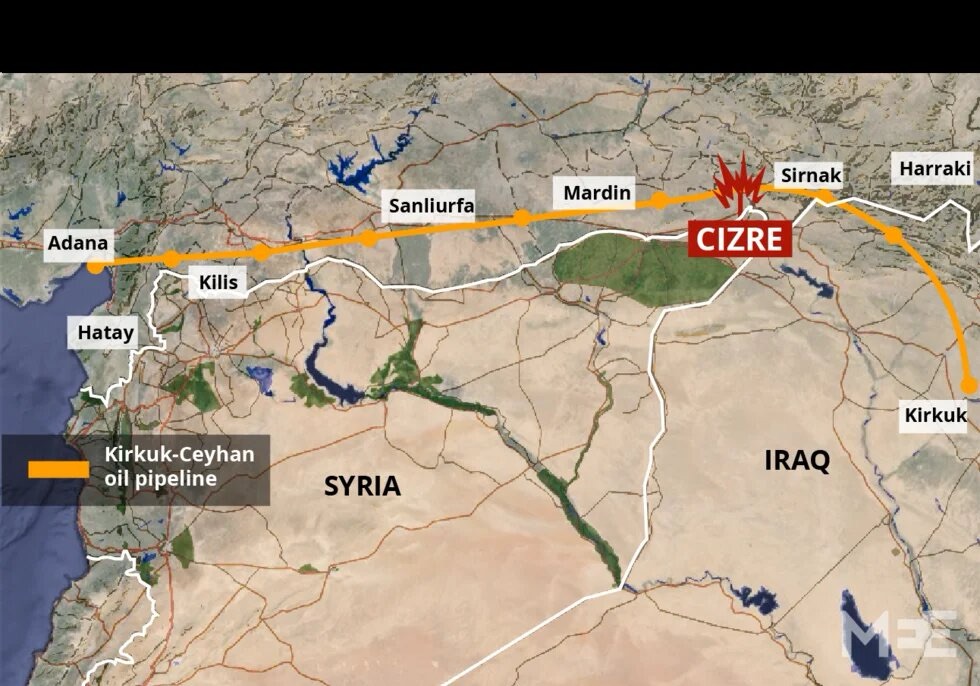
Analysts say the two decisions taken together represent a fundamental paradigm shift: not just technical adjustments, but also a strategic rethinking of the positions of key political actors and a change in the economic balance in the region.
Erdogan’s decision that changes the energy and geoeconomic map of the region
The Kirkuk-Yumurtalik twin pipeline, built on the basis of agreements in 1973 and 1985, linked the oil fields of Iraq’s Kirkuk and later Mosul with the Turkish port of Ceyhan on the Mediterranean coast. However, in recent decades, the pipeline has found itself at the epicenter of geopolitical tensions and legal disputes. The infrastructure has repeatedly become a target of sabotage and terrorist attacks, and the political contradictions that arose between Ankara and Baghdad were aggravated by economic conflicts. In 2014, Iraq filed a lawsuit against Turkey in international arbitration for exporting Kurdish oil bypassing the federal government. As a result, Ankara was obliged to pay Baghdad about one and a half billion dollars in compensation.


 EURO ASIA NEWS INTERNET NEWSPAPER
You must be logged in to post a comment.