
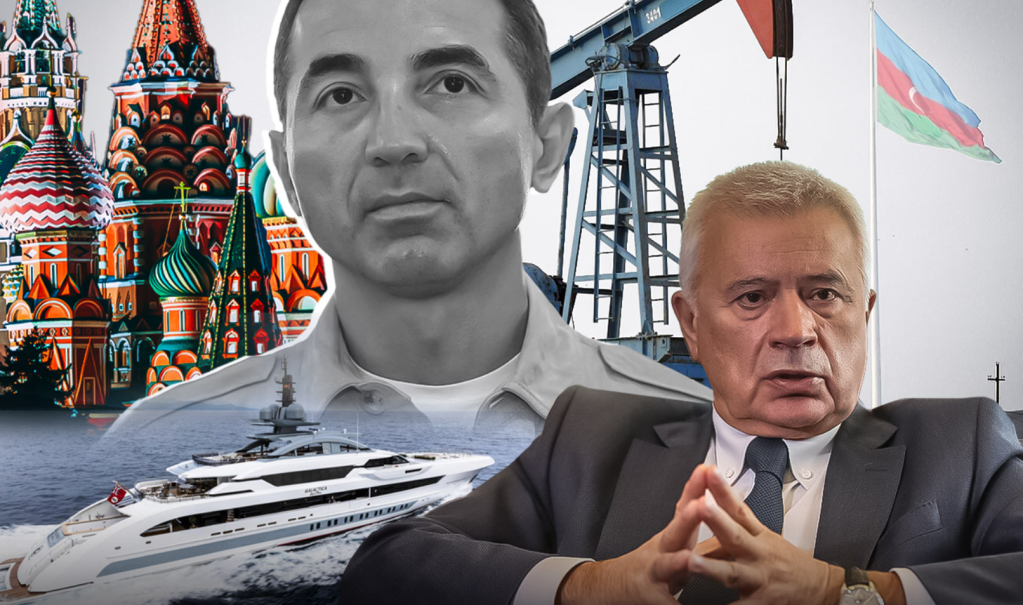
Russia–Azerbaijan Relations: A Hybrid Crossroads
Russia–Azerbaijan relations did not take shape overnight. What matters most here is not so much the historical context or shared Soviet memory, but the post-Soviet period, which has gone through several distinct phases. Russia is a country of a special kind: it rarely limits itself to simple good-neighborly relations. Its foreign policy logic always includes a desire to build networks of influence — loyal, controlled, and devoted groups, often several in parallel.
What follows is a pattern: step by step, the Kremlin seeks to reduce the space for independence and sovereignty of neighboring states. This is not “good” or “bad” — it’s simply a given of Russian state policy, and it cannot be changed. The only exception is large global powers, where the Kremlin objectively cannot penetrate with such methods.
The post-Soviet space traditionally holds a special place in this logic. Here, Russia has built strong political and economic networks, working on multiple fronts simultaneously.
Zangezur Corridor and Regional Stakes
Aliyev at SCO Summit: Zangezur Corridor to Become a Key Segment of the Middle Corridor
Ayhan Hajizade: Azerbaijani Embassy in Kyiv Hit by Missile Strike – UPDATED
SCO as an Alternative to the West: Azerbaijan in the Center of Regional Architecture – EXPERT OPINION
Azerbaijan has been no exception. For a long time, the country had many pro-Russian officials, but the leadership in Baku gradually began sidelining them. This process was cautious and gradual to avoid provoking Moscow’s anger, but the trend toward weakening pro-Russian influence in the government was clear.
The geopolitical situation changed in 2020, and again in 2023. Russia’s role in the South Caucasus became different. The invasion of Ukraine became a turning point that launched a global process of reassessing security architecture — both globally and within the post-Soviet space. Despite this, Azerbaijan managed to maintain working and trusting relations with Russia.
What’s being alleged
Investigations and reporting by a range of outlets say the following companies have appeared in connection with an offshore trading network allegedly tied to Azerbaijani businessman Adnan Ahmadzada and used to handle Russian crude:
Oilmar Shipping & Chartering DMCC;
Wissol Commodities FZCO;
Voliton FZE (or DMCC);
Guron Trading Limited
Clover Solutions FZE;
Colwich Continental FZE;
Disentis Trading (Limited / LLC);
EastImpex Stream FZE.
Maddox DMCC
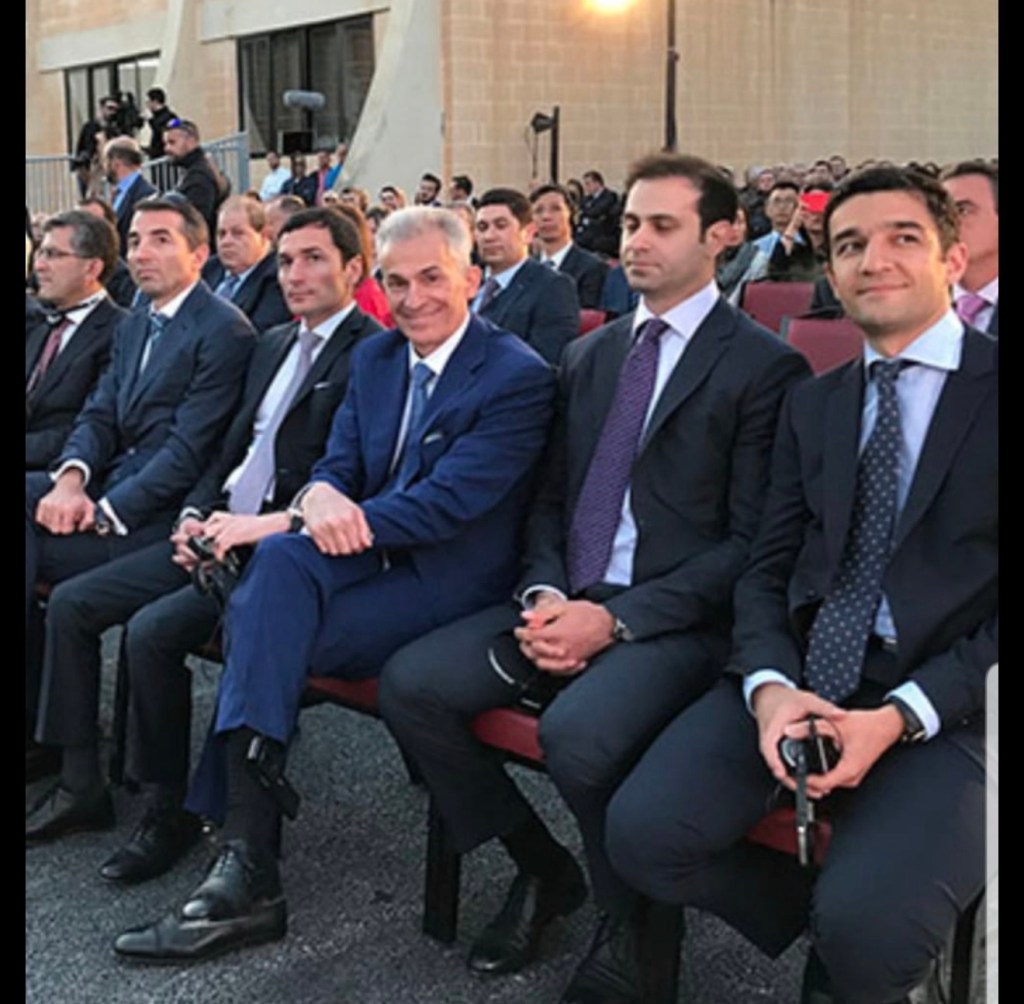
Journalists and some corporate registry extracts link several of these names to the same group of managers, shared addresses or to trading flows involving Russian shipments.
Investigations Intensify Into Oilmar DMCC and Its Alleged Links to Russian Oil Trade
According to sources familiar with the matter, serious investigations are underway into Oilmar Shipping & Chartering DMCC, a Dubai-based company reportedly involved in trading Russian oil.
The same sources allege that Adnan Ahmadzada, the former Azerbaijani state oil executive already under investigation in Baku, and his alleged criminal business partner Yusif Mammadov have for years profited from the sale of Russian crude — earning billions of dollars through offshore intermediaries.
Everything Changed After the AZAL Plane Incident
Everything shifted after the tragic downing of an AZAL aircraft over Grozny. The Kremlin, showing rigidity and shortsightedness, refused to apologize or pay compensation. This incident became a turning point in relations between Baku and Moscow. Attempts to smooth over the consequences — both official and behind-the-scenes — were unsuccessful.
A Hybrid Operation
Today, the tension between the two countries is visible even in small things — from daily AI-generated videos on YouTube to suspicious comments by so-called “experts,” which create more of a background noise than actual influence on public opinion in Azerbaijan. However, such a state of affairs couldn’t last forever: sooner or later, Russia was bound to move from words to actions. And one area in which its modern policy has truly excelled is hybrid warfare.
The story with chlorides in Azerbaijani oil and the resulting damage to the country looks like part of such a hybrid strategy. There is reason to believe the chloride was added not in Azerbaijan, but already outside the country. According to preliminary estimates, due to the contamination, the price of Azeri Light oil dropped from $75 to $68.31 per barrel — a decrease of $6.69. As a result, Azerbaijan’s export revenues fell by $2.01 billion.
Who Are You, Adnan?
In this context, it’s particularly hard to underestimate the role of Adnan Ahmedzade. His name is surrounded by numerous “gray” schemes in the global oil market. He is one of those figures often referred to as oil barons of the shadow sector. A quick search reveals publications about his connections brother Khayal Ahmedzade, who works at SOCAR Trading in Geneva and is mentioned in stories involving “unexplained real estate.”
But his activities did not stop there. Things would not have looked so critical if not for the fact that Adnan used cartel oil money to fund his personal PR campaign inside Azerbaijan: inviting football stars, creating the image of a fun and generous oligarch.
At the same time, he funded a whole network of media outlets, both inside the country and abroad, promoting his image and strengthening his own influence. In short, he was far from a simple figure — rather someone likely guided by certain forces within the Kremlin.
A Messi-Style Trick That Cost $2 Billion
At a complex and tense moment in Russia–Azerbaijan relations, one “trick” in the style of Messi (a friend and idol of our main character — ed.) cost the Azerbaijani budget $2 billion. Impressive.
And Finally…
War always pushes the boundaries of what’s acceptable. Russia labeled its invasion of Ukraine a “Special Military Operation,” but in reality, it’s an entire complex of operations — multi-level, multi-format, and with parallel fronts. Today, Moscow is testing NATO countries for resilience; just last week, it organized a cyberattack on the airports of European capitals. For Russia, all methods of destabilization are now seen as legitimate.
When it comes to Azerbaijan, the Kremlin acts selectively, trying to influence the country’s leadership and exert pressure through the financial sector. First came the redistribution of assets and businesses in Russia linked to Azerbaijanis. Then came the “tomato sanctions.” Now the blow has hit the most sensitive area — the oil sector, where chlorides were mixed in.
In this logic, Adnan Ahmedzade is merely a link in a long chain. But that’s not even the main point. The more important question is: Is the state ready for such challenges? Does it have immunity to Russian methods? Because the Kremlin will continue using specific groups and individuals in its hybrid war against Azerbaijan. Therefore, the country must develop a conceptual and systematic approach to neutralizing pro-Russian elements in strategically important areas of governance, since hybrid provocations against Baku are unlikely to stop.


 EURO ASIA NEWS INTERNET NEWSPAPER