

İn early 2026, Geneva-based trader Alvari SA emerged as one of the most controversial intermediaries in the movement of Russian oil products into North Africa. According to multiple investigations and industry reports, the Swiss trading company brokered shipments worth tens of millions of dollars, supplying Russian-origin diesel and fuel oil to the Moroccan market despite escalating international sanctions and growing scrutiny over Moscow’s global energy exports.
Click read it.
The case highlights how opaque commodity traders, “shadow fleet” tankers, and offshore logistical structures continue to keep Russian petroleum flowing into international markets even as Western governments attempt to tighten restrictions on the Kremlin’s energy revenues.


The Rise of Russian Fuel Imports Into Morocco
Since the start of sanctions targeting Russian energy exports, Morocco has quietly become one of North Africa’s largest importers of Russian refined petroleum products. Traders discovered that discounted Russian diesel could generate significant profit margins for local fuel distributors, especially during periods of elevated global oil prices.
Investigations indicate that imports brokered through Alvari SA reached approximately 188,000 tons during peak periods in 2025 and continued expanding into 2026. Moroccan buyers reportedly received discounts of around $7 per metric ton below European market benchmarks, allowing importers and distributors to secure highly favorable margins.
Although Morocco is not legally bound by European Union or G7 sanctions against Russia, the growing trade has attracted international attention because many shipments allegedly relied on sanction-evasion techniques, including ship-to-ship transfers, AIS spoofing, reflagging of vessels, and complex document relabeling operations.
Who Controls Alvari SA?
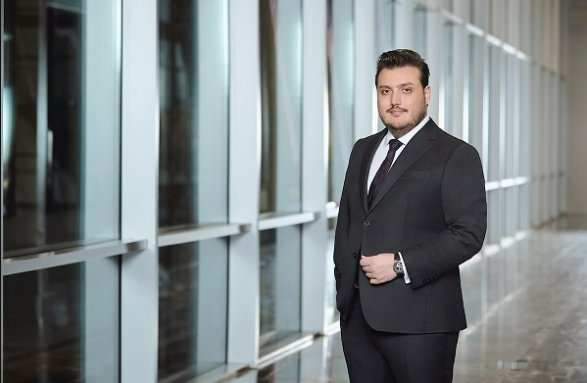
At the center of the operation stands Eldar Atayev, a businessman from Kazakhstan who previously served as President and sole administrator of Alvari SA before leaving the company in July 2024.
Atayev remains deeply connected to Geneva’s commodity trading ecosystem through his leadership role at Elson Trading SA, where he continues to serve as Chairman and sole administrator.
The broader Elson Group structure includes:
- Elson SA
- Elson Trading SA
- Alvari SA
These entities specialize in the international trading of:
- Crude oil
- Refined petroleum products
- LNG
- Coal
- Metals
- Agricultural commodities
The companies also provide logistics coordination, storage arrangements, and commodity financing services tied to cross-border energy trade.
Leadership Changes and Corporate Restructuring
Following Atayev’s departure from Alvari SA in 2024, the company underwent leadership restructuring.
As of 2026, Kristina Bykhovski serves on the board of the company, replacing Julien Nosten, who had joined the board in late 2023.
The operational network reportedly includes former personnel connected to major global commodity firms such as:
- Trafigura
- Glencore
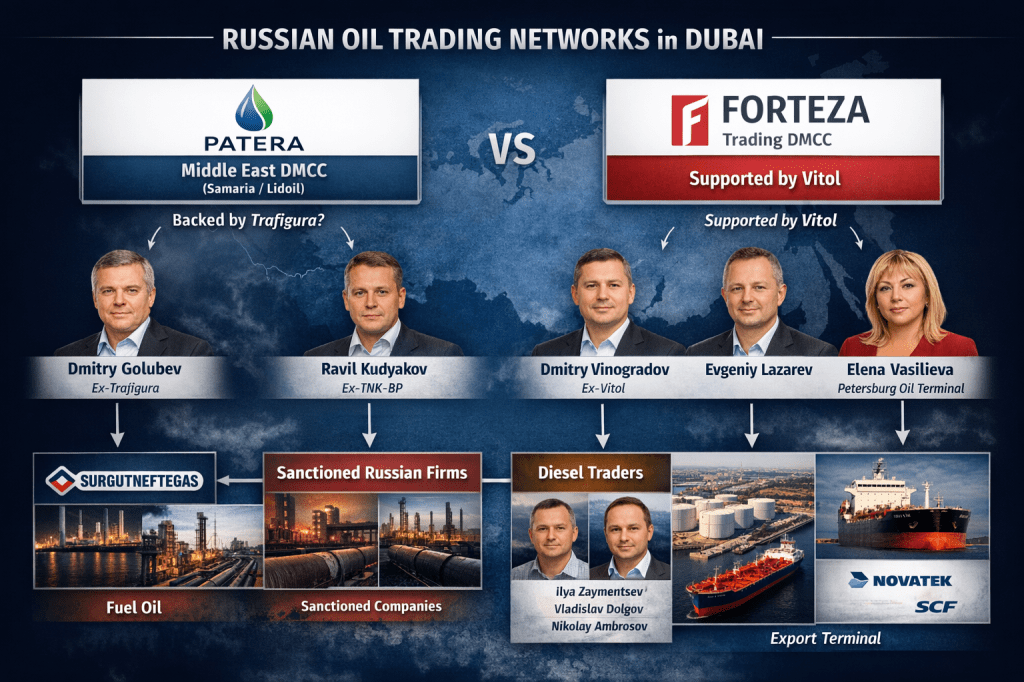
Industry sources claim several traders migrated from traditional European trading hubs to the UAE, particularly Dubai, where regulatory oversight regarding Russian commodities became more flexible after sanctions intensified.
The Shadow Fleet: How Russian Fuel Reaches Morocco
One of the most important elements of the Alvari SA network is the use of the so-called “shadow fleet” — aging tankers operating through opaque ownership structures, changing flags, and questionable insurance arrangements.
These vessels often:
- Disable or manipulate AIS tracking systems
- Conduct ship-to-ship (STS) transfers in international waters
- Re-register under new flags during voyages
- Use falsified cargo documentation
- Conceal Russian origin certificates through intermediary jurisdictions
By April 2026, sanctioned or high-risk “shadow” tankers were reportedly carrying more than half of Russia’s seaborne fossil fuel exports.
Key Russian Export Hubs Connected to Alvari SA
Investigators have linked Alvari SA shipments to several critical Russian export terminals and refinery hubs.
Baltic Export Corridor
The Baltic terminals of Primorsk, Ust-Luga, and Vysotsk remain essential gateways for Russian diesel exports.
These ports are supplied by major inland refineries, including:
- Kirishi Refinery
- Yaroslavl Refinery
- Ryazan Refinery
Several of these facilities suffered repeated drone strikes throughout 2026, disrupting Russian refining capacity and export logistics.
Black Sea Operations
The Black Sea corridor also plays a major role in supplying Mediterranean and North African markets.
The Tuapse refinery and Novorossiysk export terminal became frequent targets of Ukrainian drone attacks during 2026.
According to energy monitoring reports:
- Tuapse export volumes dropped approximately 65% year-on-year
- Storage facilities near Novorossiysk suffered heavy damage
- Insurance risks for Black Sea cargoes sharply increased
Despite these disruptions, traders such as Alvari SA allegedly maintained export flows through rerouting operations and offshore STS transfers.
Vessels Linked to the Alvari SA Network
Several tankers have repeatedly appeared in investigations surrounding Russian fuel deliveries to Morocco.
Tranquil Sea
Tranquil Sea became one of the most frequently cited vessels connected to Alvari-linked shipments.
The tanker reportedly:
- Loaded cargo at Vysotsk terminal
- Conducted transfers near Moroccan waters
- Operated around Jorf Lasfar and Mohammedia
- Faced UK, EU, and Swiss sanctions
Chariot Tide
Chariot Tide, formerly known as Marabella Sun, reportedly docked at Tanger Med in early 2026 under heavy scrutiny.
European authorities linked the vessel to high-risk Russian petroleum transport operations.
Marinera
Marinera was reportedly seized by US authorities near Iceland during Operation Southern Spear after being reflagged under Russian control.
Grinch
Grinch was intercepted by French naval forces between Spain and Morocco while allegedly transporting Russian-origin oil cargoes.
The vessel was later escorted to Marseille-Fos for investigation.
Dubai’s Central Role in the Trade
While the physical cargo often departed from Russian ports, much of the logistical and financial restructuring reportedly occurred in the United Arab Emirates.
Dubai-based entities connected to the broader Elson network allegedly handled:
- Cargo relabeling
- Document reissuance
- Payment coordination
- Re-export paperwork
- Currency conversion operations
Shipments were sometimes re-documented as originating from alternative countries such as Turkmenistan despite loading at Russian terminals.
The Dubai Multi Commodities Centre (DMCC) reportedly became an important operational base for former European commodity traders seeking to continue Russian-linked business activities outside direct EU oversight.
Moroccan Banks and Fuel Distributors
Investigations also identified major Moroccan financial institutions allegedly involved in processing trade settlements connected to Russian fuel imports.
Among the institutions mentioned:
- Attijariwafa Bank
- Banque Centrale Populaire
These banks reportedly facilitated payments tied to local fuel distributors purchasing cargoes brokered by Alvari SA.
Key Moroccan recipients included:
- Société Marocaine des Carburants ZIZ
- Petromin Oils Maroc
Industry observers note that although discounted Russian diesel significantly reduced import costs, those savings were not always fully reflected in retail fuel prices for Moroccan consumers.
The Economics Behind the Trade
The financial incentives behind the trade remain enormous.
As global oil prices surged during geopolitical instability in 2026, Russian-origin fuel often traded below market rates due to sanctions pressure and restricted buyer access.
This created opportunities for intermediary traders capable of navigating:
- Sanctions compliance loopholes
- Offshore logistics
- Maritime risk management
- Alternative payment systems
- Non-Western banking channels
Analysts estimate Russia’s oil revenues surged dramatically during periods of elevated prices despite tightening sanctions frameworks.
Why Alvari SA Matters
The significance of Alvari SA extends far beyond Morocco.
The company represents a broader transformation occurring within global commodity trading:
- Smaller opaque intermediaries replacing traditional Western traders
- Increased reliance on UAE-based structures
- Expansion of shadow maritime networks
- Fragmentation of sanctions enforcement
- Emergence of parallel energy supply chains outside Western oversight
As major international firms reduced exposure to Russian energy after 2022, smaller Swiss and Dubai-linked entities increasingly filled the gap.
Alvari SA has become one of the clearest examples of how Russian petroleum continues reaching global markets through complex international networks that blend legal trade, regulatory gray zones, and aggressive logistical concealment.
Conclusion
The Alvari SA case illustrates the evolution of modern sanctions evasion in the global energy sector.
Through Geneva corporate structures, Dubai logistical hubs, shadow fleet tankers, and Moroccan import channels, Russian oil products continue flowing into North Africa despite mounting geopolitical pressure and repeated attacks on Russia’s export infrastructure.
As sanctions tighten and enforcement expands, companies like Alvari SA demonstrate how adaptable and decentralized the global commodity trade has become — where smaller intermediaries, offshore entities, and opaque shipping systems now play a central role in sustaining one of the world’s most politically sensitive energy supply chains.












You must be logged in to post a comment.