
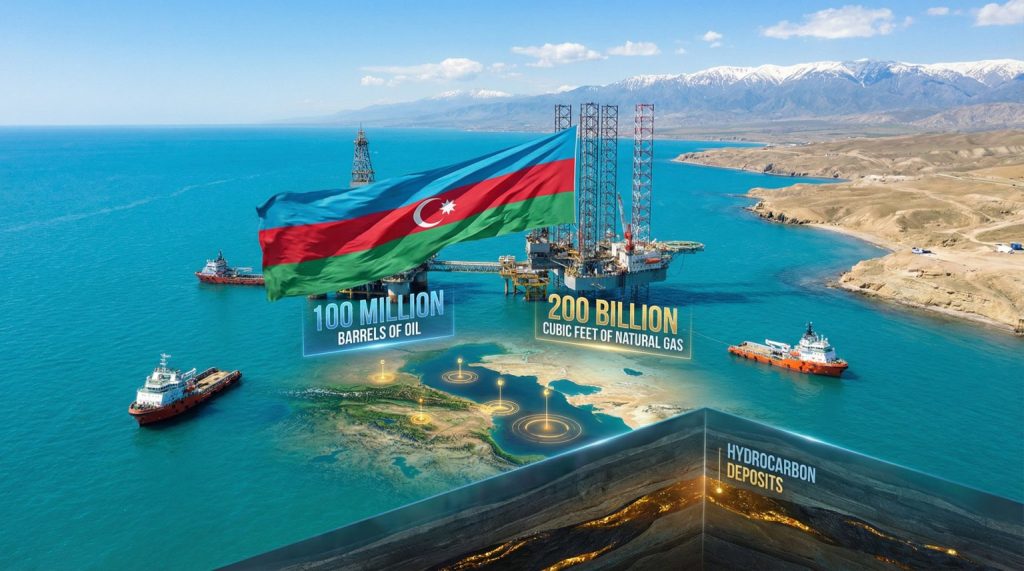
Risk assessment frameworks for emerging market energy investments increasingly highlight the Caspian Basin as a critical diversification opportunity. While European energy security concerns dominate headlines, sophisticated investors recognize that Azerbaijan’s hydrocarbon resources represent more than short-term supply alternatives. The convergence of proven geological systems, established infrastructure networks, and evolving regulatory frameworks creates unique portfolio positioning opportunities for international operators seeking exposure to post-Soviet energy markets.
Strategic positioning within the Caspian region requires understanding complex risk-return dynamics that extend beyond traditional upstream investment models. The interplay between geopolitical stability, resource endowment scale, and infrastructure accessibility generates investment scenarios that differ fundamentally from both mature Western basins and frontier exploration territories.
Geopolitical Energy Corridor Analysis
Azerbaijan’s geographic positioning creates strategic value that extends beyond domestic hydrocarbon production capabilities. The country functions as a critical energy transit corridor connecting Central Asian resources with European markets, particularly through the Southern Gas Corridor infrastructure network.
The Southern Gas Corridor delivers approximately 10 billion cubic metres of natural gas annually to European markets, with Azerbaijan supplying 30-40% of this capacity according to European Commission energy security assessments. This infrastructure positioning provides international operators with access to multiple market outlets and reduces single-buyer concentration risk.
European energy diversification initiatives following recent supply disruptions have elevated Azerbaijan’s strategic importance. Furthermore, the energy security trends demonstrate how the country’s energy exports represent approximately 50% of government budget revenues, creating strong institutional incentives for maintaining reliable production partnerships with international operators.
Resource Diversification Imperatives for International Operators
The Caspian Sea region contains approximately 48 billion barrels of oil reserves and 292 trillion cubic feet of natural gas reserves, positioning it among the world’s significant hydrocarbon provinces. Azerbaijan’s proven crude oil reserves total 7.0 billion barrels as of 2023, while natural gas reserves reach 2.6 trillion cubic metres.
Current production levels demonstrate the basin’s commercial viability. Moreover, Azerbaijan’s 2024 crude oil production averaged approximately 717,000 barrels per day, reflecting sustained production capacity developed over decades of international operator involvement.
For multinational energy companies, Caspian Basin exposure provides portfolio diversification benefits across multiple dimensions:
• Geographic risk distribution across post-Soviet regulatory frameworks
• Geological risk mitigation through proven hydrocarbon systems
• Market access diversification via established export infrastructure
• Currency exposure management through multi-jurisdiction operations
Risk-Adjusted Return Frameworks in Emerging Caspian Markets
Investment evaluation in Azerbaijan’s energy sector requires specialised risk assessment methodologies adapted to post-Soviet regulatory environments. The combination of civil law contract structures, parliamentary ratification requirements, and state oil company partnerships creates unique due diligence requirements.
The recent SOCAR and Gran Tierra Energy production sharing agreement in Azerbaijan exemplifies contemporary risk allocation frameworks. Gran Tierra’s 65% participating interest as operator demonstrates international confidence in Azerbaijan’s regulatory stability and commercial terms.
Key risk factors distinguishing Caspian investments include:
• Regulatory predictability through established PSA frameworks
• Infrastructure leverage reducing development capital requirements
• Political stability maintained across multiple government transitions
• Export route security via diversified pipeline networks


 EURO ASIA NEWS INTERNET NEWSPAPER
Leave a comment