
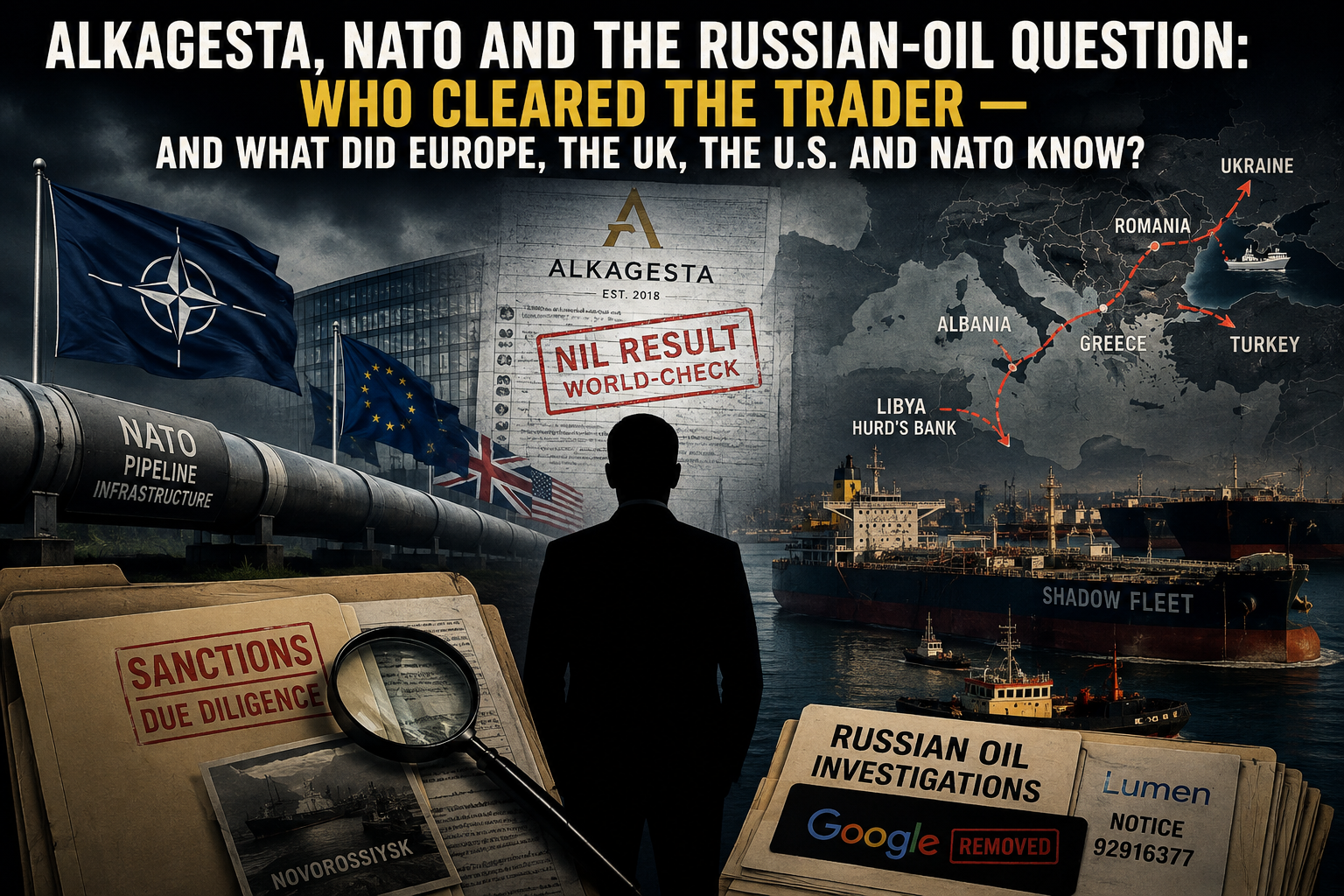
From Libya and Hurd’s Bank to Turkey, Albania, Greece, Romania and Ukraine — amid shadow-fleet allegations, a claimed World-Check “nil result,” NATO pipeline access and Google/Lumen takedown requests targeting Russian-oil investigations
A Malta-based commodity trader says it has been “fully cleared.”
The same company says LSEG/World-Check issued a formal “nil result” confirmation.However, what is particularly striking is what happened just one day after Alkagesta publicly claimed that it had been “fully cleared.” The information referring to the World-Check result appeared to have been removed from publicly visible materials associated with the organization providing the monitoring and screening.
“Alkagesta says World-Check issued a formal ‘nil result’ and describes itself as ‘fully cleared.’ However, no independent confirmation of that alleged World-Check finding is publicly available on LSEG or Refinitiv. World-Check is a proprietary, subscription-only database, meaning the underlying screening result cannot be independently verified through a public search. The key question, therefore, is not simply whether Alkagesta claims to have received a ‘nil result’, but whether the company can produce the original World-Check screening confirmation, including the date of screening, entity identifier, screening parameters and issuing entity.”

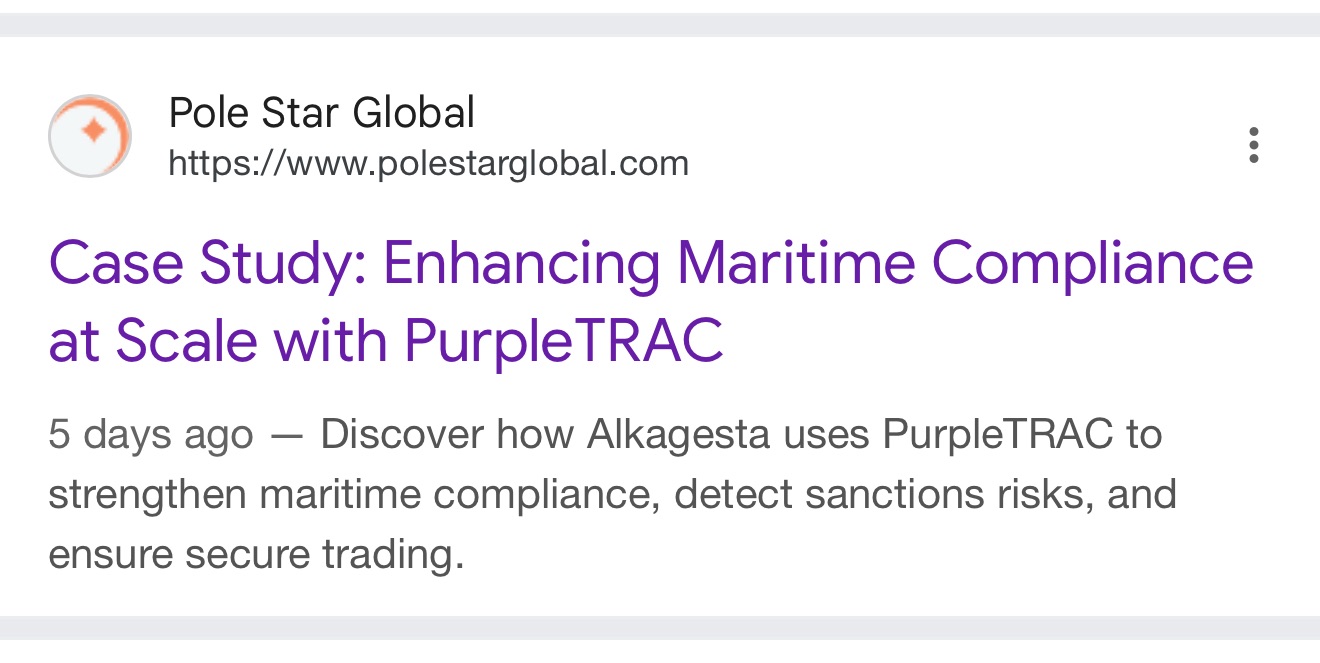

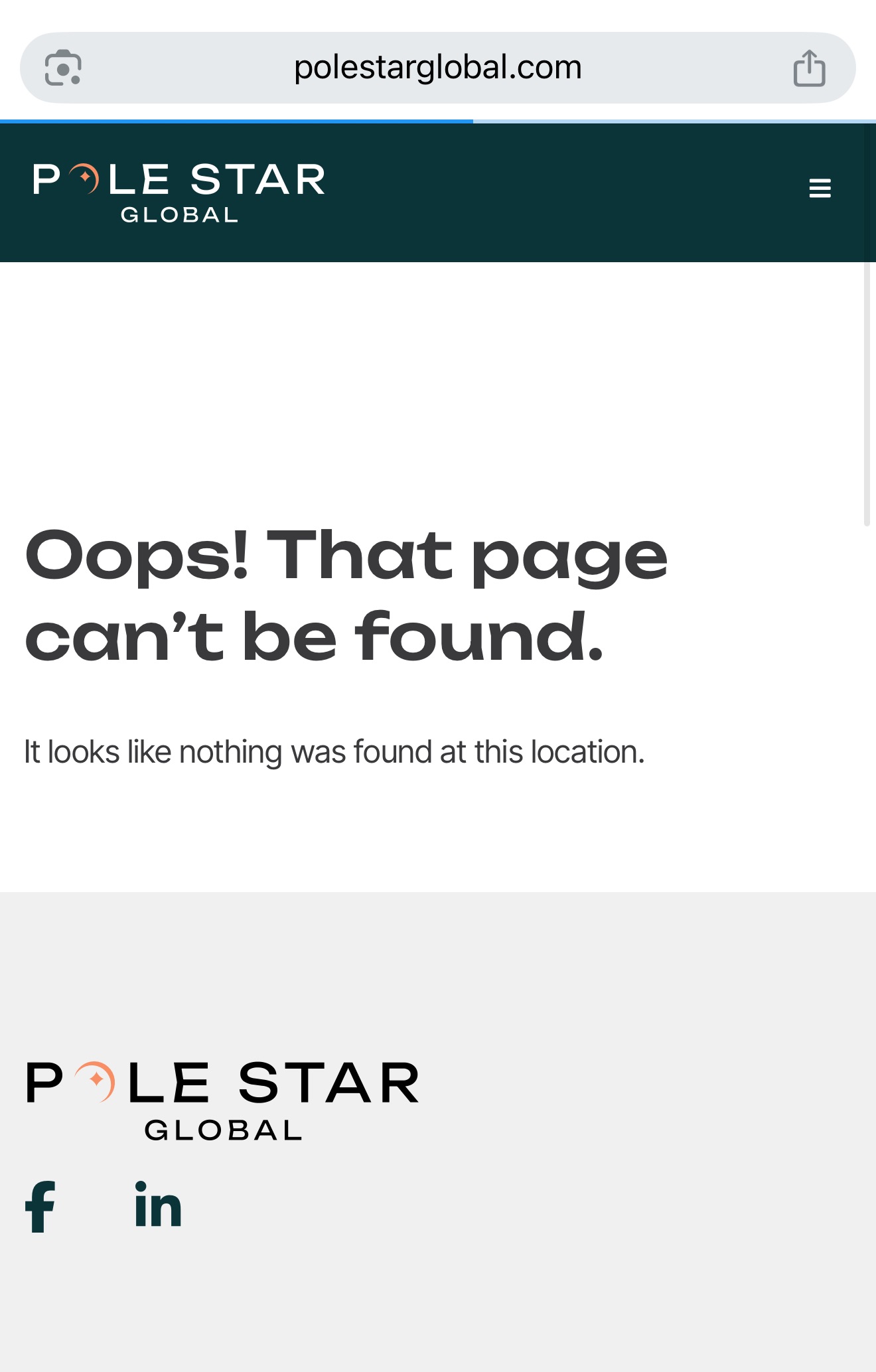
This raises an obvious question: why would such information disappear so shortly after being presented as evidence that Alkagesta had been “fully cleared”?
The timing may suggest that the organization responsible for the monitoring and risk-screening process was unwilling to assume potential reputational or legal risks associated with such a categorical public statement. In other words, even the material used to support the claim that Alkagesta had been “fully cleared” was no longer publicly available just a day later.
It says it screens counterparties, vessels, cargoes, ownership structures, jurisdictions and trade routes against EU, UK, U.S. and other international sanctions regimes.
And in 2026, Alkagesta publicly announced something even more significant: following NATO agency approval, it obtained access to NATO pipeline infrastructure and began expanding its European Jet A1 distribution platform.
Yet across Europe, a parallel public record has developed.
Investigative reporting has repeatedly associated Alkagesta or people, companies, vessels and trading structures described as connected to its wider commercial environment with allegations involving Russian-origin petroleum, Libya, Hurd’s Bank, Turkey, Albania, Greek shipping, Romania, Constanța, Ukraine and ship-to-ship transfers.
Alkagesta has rejected serious allegations concerning its activities and presents itself as a highly compliant international trader.
No allegation in this article should therefore be confused with a final judicial finding.
But the central question is no longer whether adverse reporting exists.
It plainly does.
The question is:
WHO CHECKED ALL OF THIS BEFORE ALKAGESTA WAS ALLOWED INTO STRATEGIC NATO FUEL INFRASTRUCTURE?
And what exactly did they check?
NATO: THE CONNECTION ALKAGESTA ITSELF ANNOUNCED
This part is not based on an anonymous source or investigative allegation.
Alkagesta announced it itself.
In its August 2026 performance update, the company said its European Jet A1 distribution platform had progressed following:
“NATO agency approval and access to NATO pipeline infrastructure.”
NATO describes the Central Europe Pipeline System — CEPS — as the largest petroleum pipeline system in NATO.
CEPS crosses Belgium, France, Germany, Luxembourg and the Netherlands.
According to NATO, it can rapidly provide fuel to military aircraft and ground vehicles during peace, crisis and conflict.
The same network also supplies major civilian airports including Brussels and Frankfurt.
This distinction is important: Alkagesta’s access to CEPS does not by itself establish that Alkagesta directly supplies NATO armed forces.
But CEPS is undeniably strategic NATO infrastructure.
That makes the due-diligence question unavoidable:
Which NATO agency approved Alkagesta?
What documentation was submitted?
Who conducted the sanctions screening?
Were Alkagesta’s beneficial owners examined?
Were directors and related corporate entities screened?
Were historical counterparties examined?
Were vessels previously used in Alkagesta transactions screened?
Were previous Russian port calls reconstructed?
Were ship-to-ship transfers examined?
Was adverse media considered?
Were cargo origin documents independently verified?
And did the approving authorities know about the Russia, Libya, Turkey, Albania, Greece, Romania and Ukraine allegations already circulating around the company’s wider trading environment?
WORLD-CHECK: WHAT EXACTLY DOES “NIL RESULT” MEAN?
Alkagesta makes another remarkable public statement.
In its official FAQ, the company states:
“World-Check issued a formal ‘nil result’ confirmation, meaning Alkagesta has no record in their system.”
It then describes the company as:
“fully cleared.”
But Alkagesta also says that it itself uses World-Check to identify sanctions, financial-crime, corruption and reputational risks.
According to Alkagesta, its compliance systems screen:
counterparties;
vessels;
cargoes;
ownership structures;
jurisdictions;
and trade routes.
That makes the company’s own World-Check statement particularly important.
Where is the formal confirmation?
What is its date?
Which exact company was screened?
Alkagesta Ltd Malta?
A subsidiary?
The group?
Were beneficial owners searched separately?
Were directors searched?
Were aliases included?
Was adverse media included?
What search parameters were used?
And was this particular World-Check result available to — or relied upon by — the institutions involved in the NATO/CEPS approval?
There is another important technical issue.
LSEG’s own World-Check documentation confirms that its data products include a Deleted Records File.
Therefore, a present-day absence from a database cannot, standing alone, establish the historical proposition that no record ever existed.
This does not prove that an Alkagesta record was deleted.
At present, we have not identified public documentary evidence proving that Alkagesta previously had a World-Check profile that was subsequently removed.
But it makes one question unavoidable:
Does Alkagesta’s claimed “nil result” describe only the state of World-Check at the moment of the search, or does Alkagesta possess evidence establishing that no historical profile existed?
If there is a formal confirmation, Alkagesta could resolve much of this question by publishing an appropriately redacted copy.
ROMANIA: THIS COMMERCIAL CONNECTION IS DOCUMENTED
Romania cannot simply be dismissed as internet speculation.
Official reporting by Romanian Oil Terminal S.A. identifies Alkagesta Ltd of Malta among its customers.
In Q1 2026 alone, approximately RON 1.7 million was invoiced to Alkagesta.
This establishes a real commercial relationship with Romanian petroleum infrastructure.
Separately, extensive investigative reporting has alleged that Russian-origin petroleum products entered or transited the Constanța/Black Sea supply environment using complicated tanker, STS and documentation chains.
Euasia.news has alleged that products connected to this wider network subsequently moved toward Ukraine.
Those allegations require independent verification.
But Romanian authorities possess something journalists do not:
customs declarations;
terminal records;
bills of lading;
storage records;
laboratory reports;
vessel manifests;
tax records;
banking information;
and certificates of origin.
So the question for Romania is simple:
What did you check?
For every relevant Alkagesta cargo:
Where was it loaded?
Which refinery produced it?
Which tanker carried it?
What was that vessel’s previous port?
Did it previously call at Novorossiysk or another Russian terminal?
Did an STS transfer occur?
What vessel supplied the cargo before the final delivery vessel?
What country appeared on the certificate of origin?
Was that certificate independently checked?
Were laboratory samples taken?
And where the product subsequently moved toward Ukraine, who certified its ultimate origin?
UKRAINE: THE EXTRAORDINARY PARADOX
Euasia.news has published allegations that Alkagesta at one point accounted for approximately 4.5% of Ukrainian diesel imports and that Russian-origin fuel was disguised through blending, documentation changes and regional transit before reaching Ukraine.
That 4.5% figure is an investigative-media estimate, not an independently established governmental finding.
But if even part of the underlying supply-chain allegation were established, the paradox would be extraordinary:
Russian-origin fuel potentially reaching the country fighting Russia’s invasion.
There is only one reliable way to answer this.
Follow every cargo:
refinery → trader → first tanker → STS transfer → second tanker → terminal → storage → intermediary → border → final customer.
Ukraine, Romania and the European Union should be able to reconstruct that chain from documentary records.
If the fuel was not Russian, the documents should demonstrate that.
If it was, regulators need to determine how it entered the supply chain.
TURKEY: WHERE DOES “TURKISH PRODUCT” BEGIN?
Turkey represents another critical point.
Alkagesta has rejected allegations that it participated in unlawful recycling of Russian-origin petroleum through Turkey.
That denial must be recorded.
But sanctions enforcement increasingly depends on understanding not merely the country from which a refined product was exported, but the underlying supply chain and applicable rules concerning Russian-origin feedstock.
A Turkish bill of lading answers one question.
It does not necessarily answer every upstream question.
For relevant Alkagesta cargoes:
Which Turkish refinery produced the product?
Which crude feedstock was used?
Where did that crude originate?
Was it Russian?
When was it purchased?
Under what sanctions regime?
Who verified the documentation?
Were Kpler, Windward, SeaSearcher, World-Check or other systems used?
And if products from those supply chains later entered CEPS:

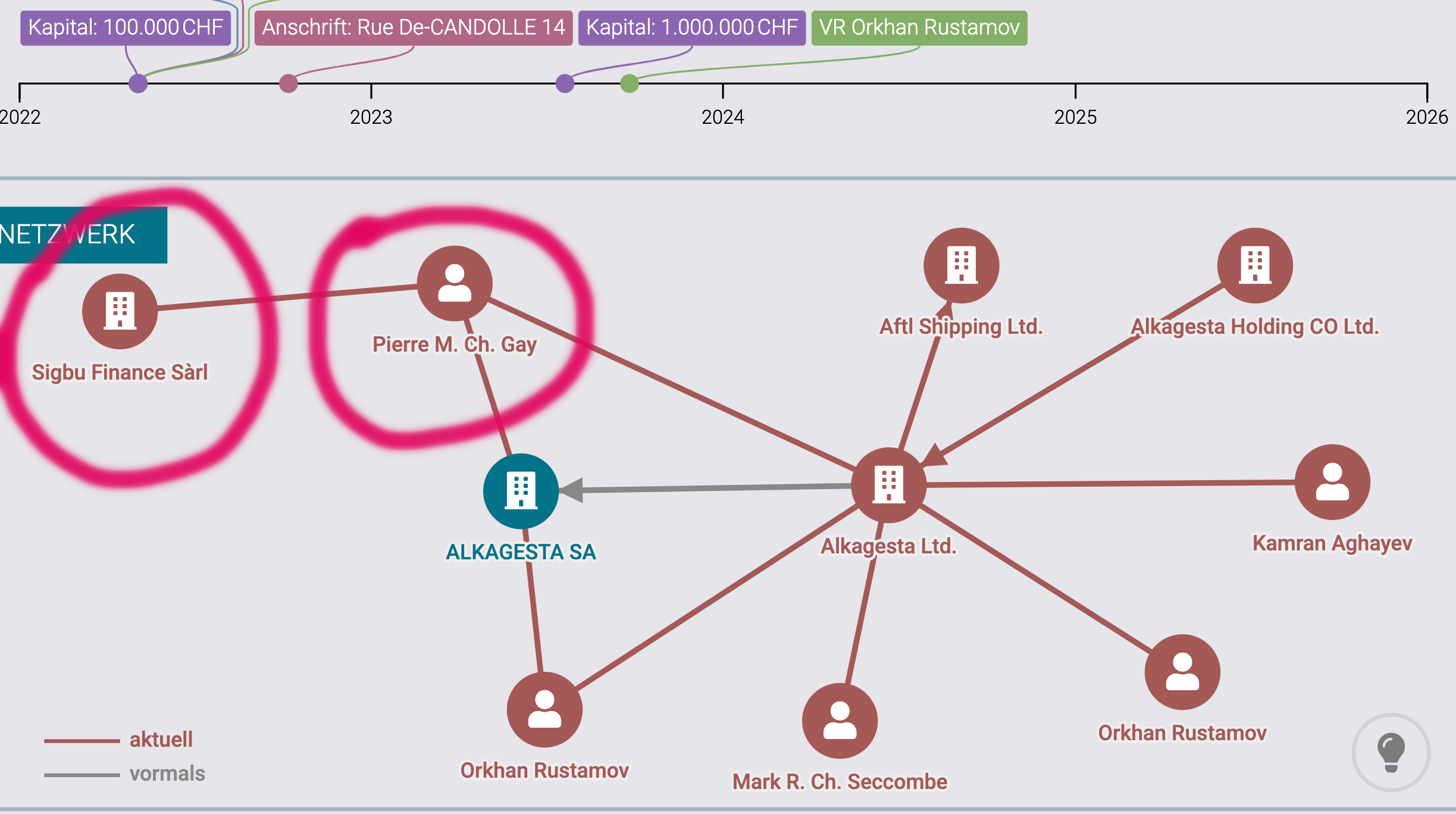
Who independently verified their provenance before admission into NATO-operated infrastructure?
ALBANIA: THE 22,500-TON QUESTION
Albania adds another documented investigative trail.
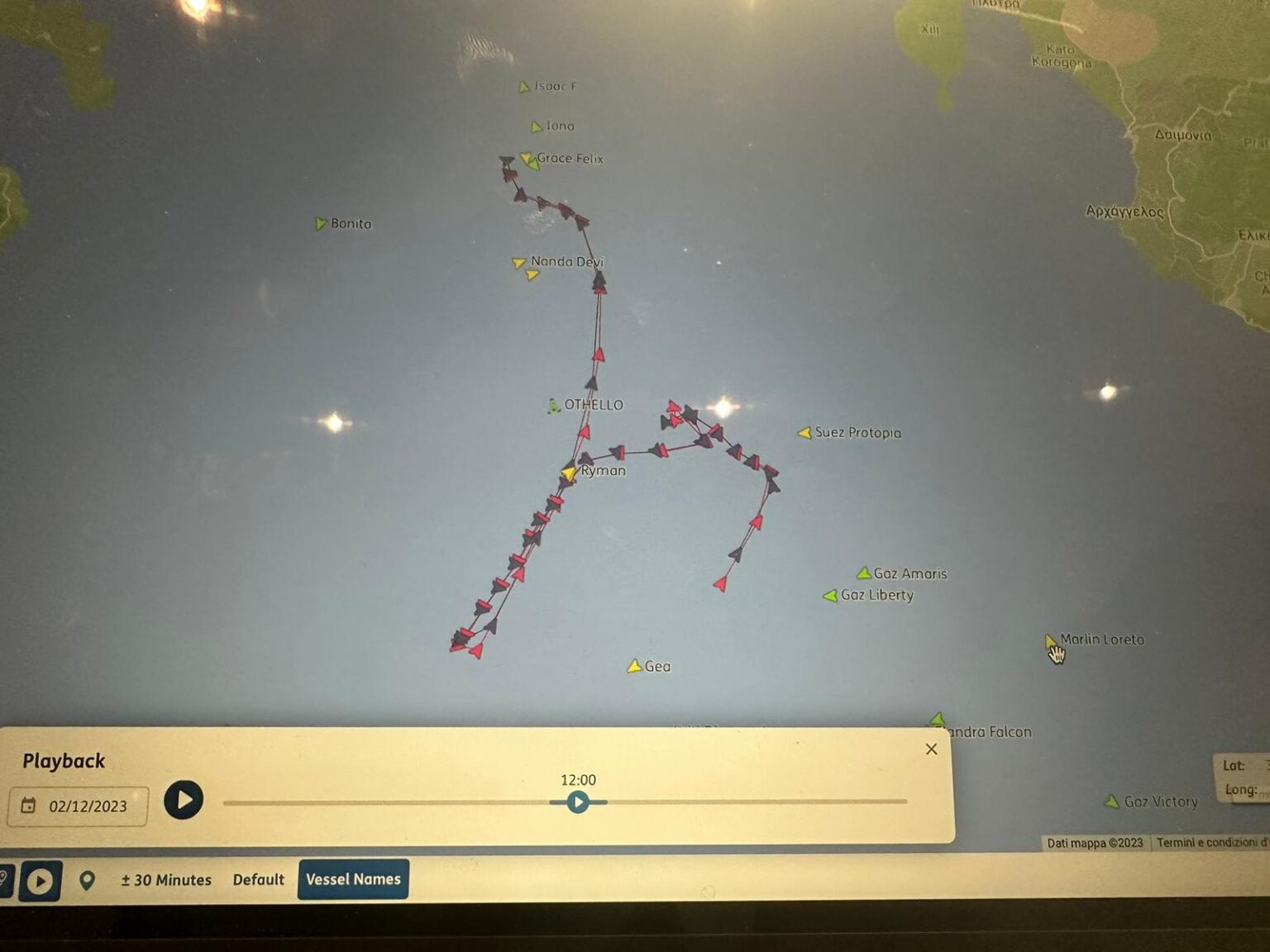
Reporting cited by Euasia.news concerns the seizure of approximately 22,500 tonnes of petroleum product at Porto Romano suspected of Russian origin.
The reporting describes the vessel GRACE FELIX and an upstream transfer involving FIDAN, which was reported to have loaded at Novorossiysk.
Alkagesta and Oilmar have appeared in reporting surrounding the wider commercial chain.
These are serious allegations and should not be transformed into findings against a company without the underlying police, customs and judicial documentation.
But Albania possesses those records.
So publish the chain.
Who owned the cargo?
Who sold it?
Who financed it?
Who chartered the vessels?
Where did FIDAN load?
Where did the transfer take place?
What certificate accompanied GRACE FELIX?
Who issued it?
What did laboratory testing establish?
Which corporate entities appeared on customs documentation?
The answers are not hidden in opinion.
They are in shipping and customs files.



GREECE: NOVOROSSIYSK AND THE TANKER TRAIL
The Greek dimension raises a different question.
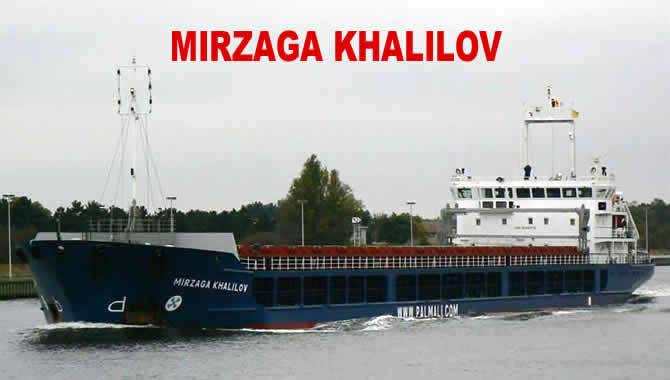
An April 2026 Euasia.news investigation examined Greek shipping structures associated with Minerva Marine and vessels engaged in voyages from Russia’s Black Sea export infrastructure.
Among the vessels examined was SAFEEN BARONESS.
The investigation lists repeated voyages from Novorossiysk to Romanian destinations including Midia and Constanța.
Other voyages involved Greek and European destinations.
A Russian port call does not itself constitute sanctions evasion.
Nor does it establish misconduct by a shipowner, manager, charterer or cargo trader.
But historical vessel behaviour is precisely the type of information enhanced maritime sanctions screening is supposed to identify.
Therefore:
Did Alkagesta’s vessel-vetting systems identify relevant historical Russian voyages?
Did NATO/CEPS due diligence examine them?
Did banks financing Alkagesta transactions examine them?
Did insurers?
Were beneficial owners of the vessels identified?
Were chartering relationships examined?
Were STS histories reconstructed?
Were AIS gaps investigated?
Were previous cargoes considered?
If not, what exactly did “enhanced due diligence” mean?


LIBYA AND HURD’S BANK: THE STS QUESTION
Libyan fuel smuggling is not imaginary.
International reporting and investigations have documented extensive illicit petroleum trading and ship-to-ship activity connected to Libya.
Hurd’s Bank, offshore Malta, has repeatedly appeared in reporting about Mediterranean STS activity.
Investigative outlets have connected Alkagesta to allegations involving this broader environment.
Those specific allegations against Alkagesta require proof.
But again, regulators possess the tools to resolve them.
For every disputed transaction:
Which vessel?
Which IMO number?
Which owner?
Which manager?
Which charterer?
Which cargo?
Which coordinates?
Which STS counterpart?
What did AIS show before and after the transfer?
Who paid?
Which bank processed payment?
Which insurer covered the vessel?
What country of origin appeared before the STS?
What country appeared afterwards?
This is not an ideological question.
It is forensic commodity-trade analysis.
FROM RUSSIA TO NATO INFRASTRUCTURE: WHO WAS WATCHING?
Now place the pieces beside one another.
A company says it performs sophisticated sanctions compliance.
It says World-Check returned a “nil result.”
It says it was “fully cleared.”
It has a documented Romanian petroleum-infrastructure footprint.
Investigative reporting has raised questions involving Russian oil, Ukraine, Turkey, Albania, Greece, Libya and STS activity.
Then Alkagesta announces:
NATO agency approval and access to NATO pipeline infrastructure.
That produces a question that Brussels cannot avoid:
WHO PERFORMED THE FINAL RISK ASSESSMENT?
Was it the NATO Support and Procurement Agency?
The CEPS Programme Office?
National authorities?
A contractor?
A bank?
An external compliance provider?
Was World-Check used?
What date was the screening performed?
Was only the company name checked?
Or was a genuine network analysis conducted?
GOOGLE AND LUMEN: THEN THE INVESTIGATIVE ARTICLES STARTED DISAPPEARING FROM SEARCH
There is another part of this story that deserves scrutiny.
On 8 August 2026, according to documentation published by Euasia.news, a copyright complaint was submitted to Google on behalf of Alkagesta.
The notice identified:
Rightsholder represented: Alkagesta
Lumen Notice: 92916377
Google Reference: 1-3193000041443-0424450099
The complaint targeted two Euasia.news URLs.
The articles formed part of reporting concerning Russian oil, tanker movements, sanctions and the shadow-fleet environment.
According to Euasia.news, the copyright complaint concerned an Alkagesta corporate logo allegedly reproduced in a composite header image.
Euasia.news disputes that the claimed logo appeared on the targeted pages.
That dispute should not be decided by rhetoric.
Google has the complaint.
The complainant should have the copyrighted work and evidence of the alleged reproduction.
Historical versions of the webpages can be examined.
Therefore:
Google, where is the allegedly infringing image?
What exact image was reported?
What screenshot was supplied?
What timestamp?
Who submitted the complaint?
What authority did that person have to represent Alkagesta?
Were other Russian-oil investigations targeted by complaints from the same representative?
Were any complaints rejected, withdrawn or reversed?
RUSSNEFT, MIKHAIL GUTSERIEV AND THE RUSSIAN-OLIGARCH REPORTING
The context becomes particularly sensitive because Euasia.news’s wider reporting also examined Russian petroleum interests, including RussNeft and networks associated in public reporting with Russian businessman Mikhail Gutseriev.
Some of this reporting subsequently became entangled in search-removal disputes.
Extreme care is necessary here.
There is presently no evidence establishing that Mikhail Gutseriev, RussNeft or any Russian state actor ordered Alkagesta to submit a copyright complaint.
No such coordination should be asserted without evidence.
But regulators and Google can legitimately examine something narrower:
Did copyright complaints have the effect of reducing search visibility for investigative reporting concerning Russian oil, sanctions and associated trading networks?
If yes:
Who submitted each complaint?
For whom?
What copyrighted work was identified?
Was the allegedly infringing material actually present?
Was the same complainant or representative involved repeatedly?
Did Google verify the evidence before restricting visibility?
The answer could demonstrate an entirely legitimate copyright dispute.
Or it could identify weaknesses in a system capable of affecting public-interest journalism.
Either outcome deserves documentation.
THE QUESTION FOR THE EUROPEAN UNION
The EU has spent years constructing increasingly complex sanctions against Russia.
But sanctions are only as effective as their enforcement.
So where were the relevant European authorities while these risk indicators accumulated?
Did customs agencies compare certificates of origin with vessel histories?
Did Financial Intelligence Units receive suspicious transaction reports?
Did banks apply enhanced due diligence?
Were Malta’s authorities examining the adverse-media trail?
Did Romania reconstruct the Constanța cargo chains?
Were Turkish refinery inputs examined where legally relevant?
Were Greek shipping connections analysed?
Were Albania’s seizure records shared across EU enforcement networks?
Was Europol informed where appropriate?
Was information shared with OLAF?
And after Alkagesta obtained NATO infrastructure access, was the company’s risk profile reassessed as new adverse reporting emerged?
THE QUESTION FOR THE UNITED KINGDOM
Alkagesta publicly states that its compliance system covers OFSI sanctions requirements.
Then UK authorities and financial institutions have their own questions to answer.
Did UK-regulated banks process relevant transactions?
Were UK corporate structures, directors, beneficial owners or properties connected to counterparties examined where legally relevant?
Were adverse-media alerts escalated?
Were Russian-oil exposure indicators examined?
Did OFSI receive any reports?
Did the National Crime Agency receive information warranting examination?
The existence of media allegations does not establish an NCA investigation.
If there is none, that should not be invented.
But the UK has sophisticated financial-intelligence capabilities.
The question is whether the available risk indicators were assessed.
THE QUESTION FOR THE UNITED STATES
The United States is itself a CEPS member nation.
OFAC also operates one of the world’s most influential sanctions regimes.
Alkagesta says its compliance programme screens against OFAC requirements.
Therefore Washington also has legitimate questions to consider.
Did any U.S.-linked financial institution process relevant transactions?
Was dollar clearing involved?
Did screening systems identify Russian-oil exposure?
Were blocked or high-risk counterparties identified anywhere upstream?
Were maritime sanctions advisories applied to vessels and STS activity?
And because the United States participates in CEPS governance:
What information was available within the NATO/CEPS approval framework when Alkagesta received access?
THE QUESTION FOR NATO
NATO’s question is perhaps the simplest.
Alkagesta itself says NATO agency approval preceded its access to NATO pipeline infrastructure.
Then identify the approval framework.
What criteria were applied?
Who conducted due diligence?
What databases were queried?
Was World-Check one of them?
Were beneficial owners checked?
Were directors checked?
Was adverse media checked?
Were vessels checked?
Were historical Russian trades checked?
Were Libya-related allegations checked?
Was the Romanian trading footprint examined?
Was the Ukraine supply-chain reporting considered?
Was the Greek tanker history reviewed?
Was Albania examined?
Were Google/Lumen disputes relevant to reputational-risk assessment once they became known?
And does NATO periodically reassess commercial users of strategically important infrastructure when material new adverse information emerges?
ALKAGESTA CAN ANSWER THESE QUESTIONS
Alkagesta has repeatedly presented itself as transparent and compliant.
That gives the company an opportunity to settle many of these issues with documents.
Publish, where legally and commercially possible:
the World-Check confirmation;
its date;
the exact entity screened;
the scope of the search;
the relevant NATO/CEPS approval description;
the sanctions due-diligence framework applied to CEPS supplies;
cargo-origin controls for Romania;
relevant refinery-origin controls for Turkey;
responses concerning Albania;
vessel-vetting methodology for Russian-port histories;
STS controls concerning Libya and the Mediterranean;
and the evidence underlying the August 2026 Google copyright complaint.
If the allegations are false, documentary transparency can demonstrate that.
EU, UK, U.S. AND NATO: WHERE WERE THE WATCHDOGS?
This investigation does not conclude that Alkagesta violated sanctions.
It does not conclude that every cargo discussed in investigative reporting was Russian.
It does not conclude that NATO purchased Russian-origin fuel from Alkagesta.
It does not conclude that World-Check deleted an Alkagesta profile.
And it does not conclude that Google was deliberately used to conceal Russian interests.
Those conclusions require evidence that is not presently public.
But that does not make the underlying questions disappear.
On the contrary.
A commodity trader publicly claims a World-Check “nil result.”
The same trader publicly announces NATO agency approval and access to NATO pipeline infrastructure.
Its Romanian commercial footprint appears in official corporate reporting.
Meanwhile, investigative reporting across multiple jurisdictions has raised allegations involving Russian oil, Libya, Turkey, Albania, Greece, Romania, Ukraine, tanker movements, STS transfers and cargo-origin documentation.
And investigative articles concerning Russian oil later became the subject of a Google copyright complaint attributed to Alkagesta.
At some point, the question stops being only:
“What did Alkagesta do?”
It becomes:
“WHAT DID THE WATCHDOGS KNOW — AND WHEN DID THEY KNOW IT?”
For the European Union:
Were sanctions controls working across borders?
For the United Kingdom:
Were financial and adverse-media risks properly assessed?
For the United States:
Did OFAC-related screening and U.S. participation in strategic NATO fuel infrastructure identify the relevant risk signals?
For NATO:
What exactly was examined before approval was granted?
For World-Check/LSEG:
What exactly does the reported “nil result” establish — and what does it not establish?
For Google:
What evidence supported the copyright removal request affecting Russian-oil investigative reporting?
And for Alkagesta:
If the company was fully cleared, publish enough of the underlying documentation to demonstrate what “fully cleared” actually means.
Because when strategic NATO infrastructure, Russian energy revenues, European sanctions enforcement and fuel supply chains intersect, “nil result” should not be the end of due diligence.
It should be the beginning of verification.











Leave a Reply