
The war between Russia and Ukraine is increasingly exposing civilian merchant shipping to security risks, with Azerbaijani seafarers among those caught in attacks in both the Black Sea and the Sea of Azov.
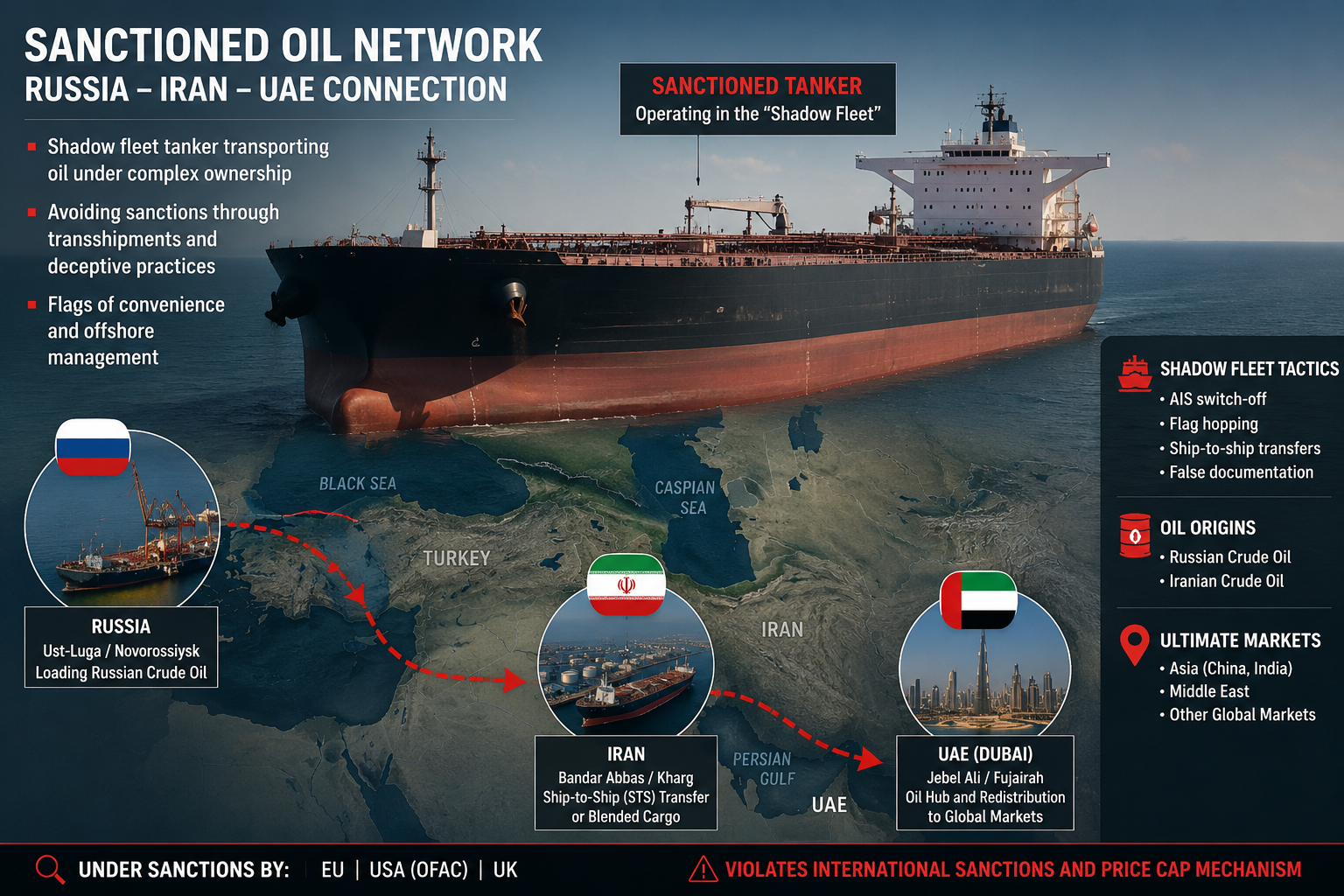
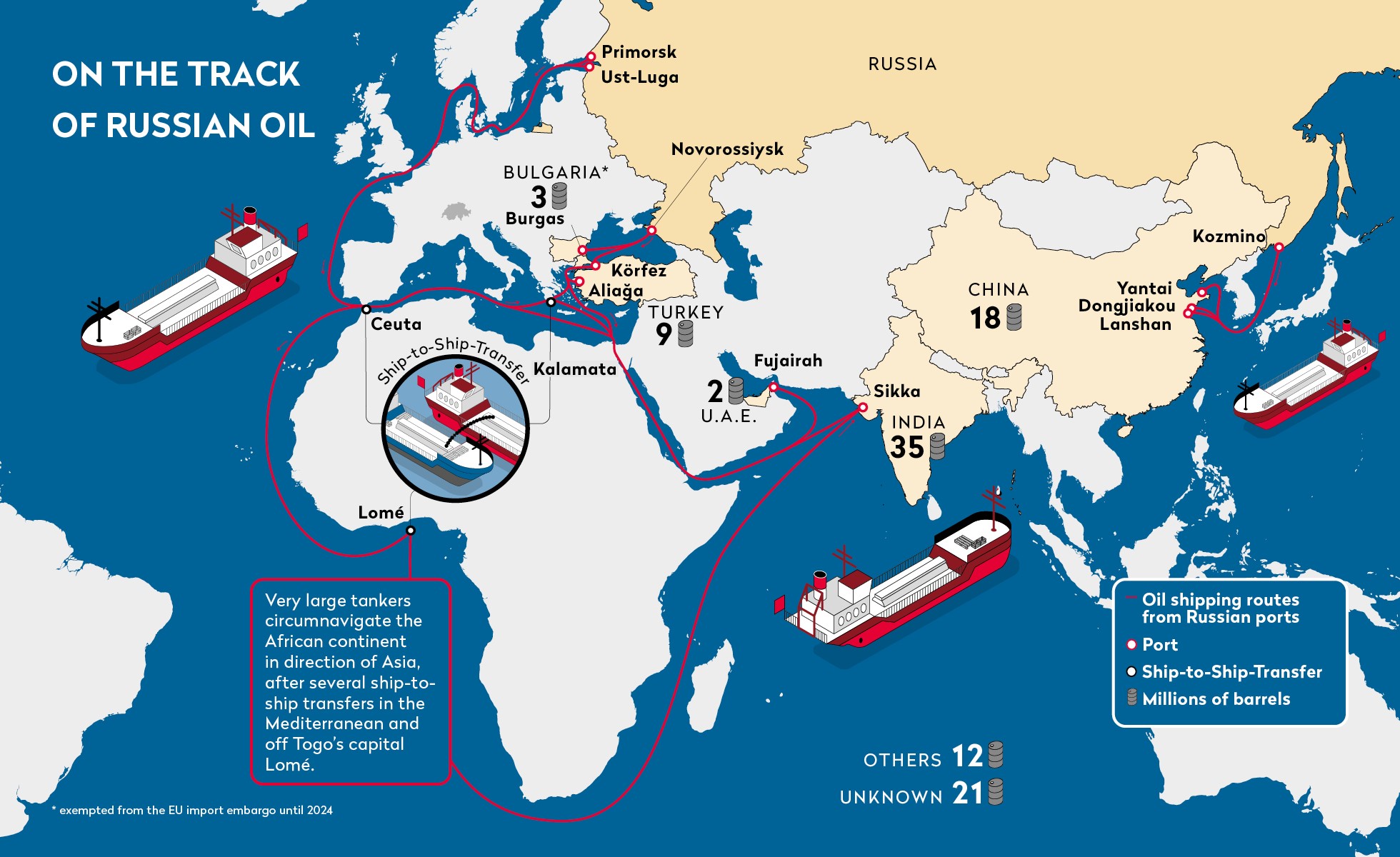
Ukraine has stepped up strikes against Russian naval and commercial assets, including vessels that Kyiv says are part of Moscow’s so-called “shadow fleet” used to transport oil in violation of Western sanctions. Russia, meanwhile, continues to target commercial shipping calling at Ukrainian Black Sea ports.
Against this backdrop, Azerbaijani nationals have been among the casualties in several recent maritime incidents.
On June 5, five Azerbaijani citizens were killed and three others injured after two cargo vessels came under drone attack in the Taganrog Bay of the Sea of Azov. The Belize-flagged Natra and the Palau-flagged Zircon were sailing from Turkey to Russia’s Rostov-on-Don to load grain when they were hit, according to Russian authorities. Each vessel was reportedly struck by four drones.
Natra sustained hull damage and lost propulsion but remained afloat after its crew extinguished a fire. Zircon caught fire and was abandoned before survivors were rescued by nearby vessels. Twenty-five Azerbaijani nationals were serving aboard the two ships.
Robert Brovdi, commander of Ukraine’s Unmanned Systems Forces, later confirmed strikes on vessels operating in the Sea of Azov in a post on Telegram.
A month later, during the night of July 7-8, the Panama-flagged bulk carrier Feofan Shokhirev (IMO: 9094157), managed by Turkey’s NOVA Shipmanagement, was damaged in another attack in the Sea of Azov. The vessel, crewed by seven Azerbaijani nationals, lost manoeuvrability but there were no reported fatalities.
On July 14, Russia struck a commercial vessel sailing towards Ukraine’s port of Odesa, according to Ukrainian authorities. The Tanzanian-flagged ship, operated by a Turkish company, was carrying a crew that included 12 Azerbaijani nationals. Captain Samed Nasrullayev, an Azerbaijani citizen, was initially reported missing before his body was recovered. The remaining Azerbaijani crew members were evacuated safely.
Azerbaijani Seafarers in International Shipping
Azerbaijan has a long-established maritime workforce, with many officers and ratings employed on international merchant vessels. The country’s maritime education system, centred around the Azerbaijan State Marine Academy in Baku, has supplied qualified seafarers since the Soviet era.
Employment is typically arranged through crewing agencies that recruit personnel for international shipping companies. Online advertisements regularly seek Azerbaijani officers and engineers for positions on oil, gas and cargo vessels.
One recent vacancy published on the Maritime Zone platform by Latvia-based recruitment company Lapa LTD offered monthly salaries of $4,500-$4,950 for liquefied gas tanker positions, with preference given to applicants from Azerbaijan, Georgia, Ukraine and Latvia.
Recruitment is increasingly conducted through specialised online platforms. Crewdata.com, one of the largest maritime employment websites, currently lists more than 228,000 vacancies while over 130,000 seafarers maintain active profiles.
Shadow Fleet Recruitment
Investigative outlet The Insider has reported that companies registered across multiple jurisdictions have advertised around 1,000 positions in recent years for vessels associated with Russia’s “shadow fleet.”
The publication said it analysed more than 20,000 recruitment advertisements posted on maritime Telegram channels and identified over 1,000 vacancies linked to sanctioned tankers exceeding 10,000 tonnes deadweight. Although vessel names were generally omitted, advertisements typically included details such as deadweight, year of construction and flag state, allowing ships to be identified.
According to The Insider, companies involved in owning, managing or crewing shadow fleet vessels often operate through opaque corporate structures registered in offshore jurisdictions, making sanctions enforcement more difficult.
Western governments have imposed sanctions on hundreds of vessels they say facilitate Russian oil exports outside the G7 price cap regime. The United States, United Kingdom and European Union have repeatedly expanded sanctions targeting shipping companies, vessel operators and intermediaries involved in those trades.
Growing Risks for Merchant Crews
Commercial crews working aboard vessels connected to Russian trade face increasing operational risks.
Ships operating in or near conflict zones may become targets of military action, while vessels linked to sanctioned trades also face detention or enforcement measures by Western authorities.
Commercial vessels calling at occupied Ukrainian ports or transporting cargoes linked to Russia have also faced attacks during the conflict, increasing the safety risks for civilian seafarers regardless of nationality.
Official Warning
Ukrainian officials have issued an explicit warning, saying they are aware that many of the crews operating vessels transporting Russian crude oil and Shadow trader companies are Azerbaijani nationals.
“We know who is transporting Russian crude. We know that many of these crews are made up of Azerbaijani seafarers. We will hold everyone involved in financing Putin’s war accountable. None of these crimes will go unpunished,” the officials said.





Leave a Reply