

By Journalist Andrey Tomashevski Euro Asia News
Warsawa


The story of Adnan Ahmadzada and Alkagesta is far more than a scandal of oil corruption; it is a stark case study of how Europe’s own institutions and commercial networks have been exploited to undermine its strategic security. All done with a good intention of replacement of Russian oil and gas supplies, though! This network reportedly used European ports, companies, and financial loopholes to channel money and resources to Russia’s military, all while claiming to support Ukraine. This case exposes the deep contradictions in Europe’s stance and highlights Azerbaijan’s precarious role, caught between its aspirations to be a reliable Western energy partner and its historical ties to Russia.
Alkagesta: The Maltese Heart of the Alleged Network
At the operational centre of this alleged scheme sits Alkagesta, a global commodity trading house registered in Malta in 2018. Despite its official business in petroleum products and biofuels, multiple investigative reports have identified it as a central player in smuggling Russian oil into Europe.
The company’s alleged method involved obscuring the origin of Russian crude oil through blending and falsified certificates in offshore hubs, then selling it as fuel from non-sanctioned sources like Azerbaijan or Turkmenistan. This fuel reportedly entered European markets, including through the Romanian port of Constanța, a key hub for Ukrainian imports.
Alkagesta has faced previous sanctions-related accusations. In February 2023, Albanian authorities intercepted a shipment of 22,500 tonnes of diesel, suspected to be Russian oil disguised with false Libyan documents. Albanian police identified the client company as linked to a network involving Alkagesta. The company has denied connections to Ahmadzada, but reports state its CEO, Kamran Aghayev, is a close relative of the detained tycoon.
Adnan Ahmadzada: From State Executive to Suspected Sanctions Broker
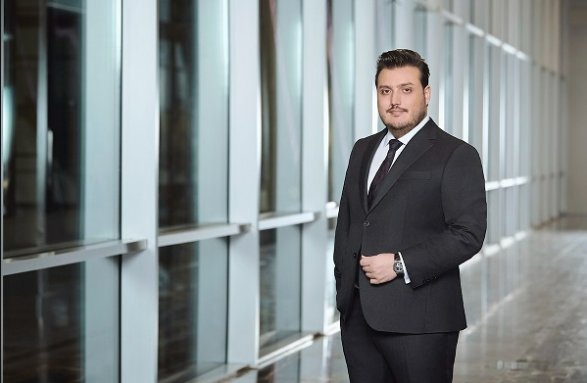
Adnan Ahmadzada was a high-flying figure in Azerbaijan’s state energy sector. He held key positions, including executive director of the Swiss-based Azerbaijani State Trading company. Publicly, he cultivated an image of a successful international businessman, seen at events like Formula 1 races and famously orchestrating a visit by Lionel Messi to Baku in early 2025.
Beneath this veneer, investigators now allege he orchestrated a decade-long scheme to finance Russia’s war effort. Following his arrest in September 2025 by Azerbaijan’s State Security Service, pro-government media reported he was charged with “undermining economic security” and large-scale embezzlement, facing up to 23 years in prison.
His alleged operation was sophisticated. Reports indicate his network used a web of offshore firms in Malta, Dubai, Cyprus, and Romania to alter the declared origin of oil cargoes. By providing massive pre-payment financing to Russian oil producers, his companies effectively replaced sanctioned Western banks, becoming a critical financial conduit for Moscow. To move illicit funds, the network is said to have used cryptocurrencies and brokers in Dubai, bypassing the traditional SWIFT banking system.
A Crisis of Trust for Azerbaijan and a Strategic Lesson for Europe
The fallout from this case strikes at the core of Azerbaijan’s foreign policy. Since the war in Ukraine, Baku has sought to position itself as a reliable, alternative energy partner for Europe, significantly increasing gas exports to the continent. However, the dual revelations of a former top executive allegedly running a global sanctions-busting ring and the contamination of Azeri Light crude oil have triggered a severe credibility crisis.
For Europe, the implications are equally serious and self-critical. The case demonstrates that Russia’s “shadow fleet” and its financial enablers operate not in a vacuum, but within and through European jurisdictions. Malta has faced criticism from EU partners for perceived inaction against companies like Alkagesta registered on its soil. Meanwhile, despite being a vital ally to Ukraine, Poland has struggled to rein in companies suspected of sanctions-busting, with its ports used to facilitate the transit of Russian goods like steel.
The EU’s own energy dependencies continue to undermine its moral authority. While banning seaborne Russian oil, the bloc remains the largest buyer of unsanctioned Russian liquefied natural gas (LNG), accounting for 49% of Russia’s total LNG exports. In December 2025, imports of Russian LNG into France and Spain actually increased by 18% and 27% respectively.
Sanctions Under Scrutiny
The Alkagesta affair exposes systemic weaknesses in the international sanctions regime. Analysts argue that entity-based sanctions are too easily bypassed and advocate for more aggressive measures, such as a full ban on EU maritime services for any vessel transporting Russian carbon-based resources. This “maritime ban” is now being considered by the EU as part of its 20th sanctions package.
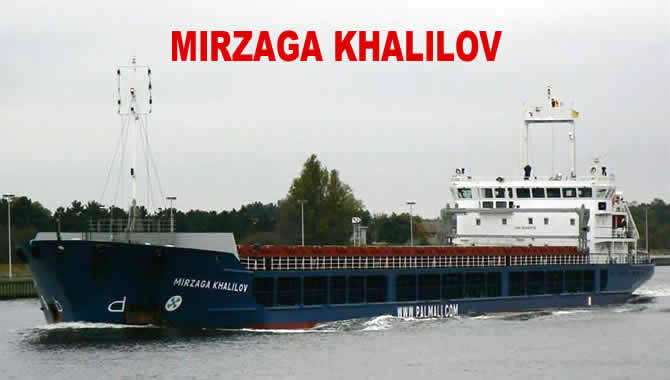
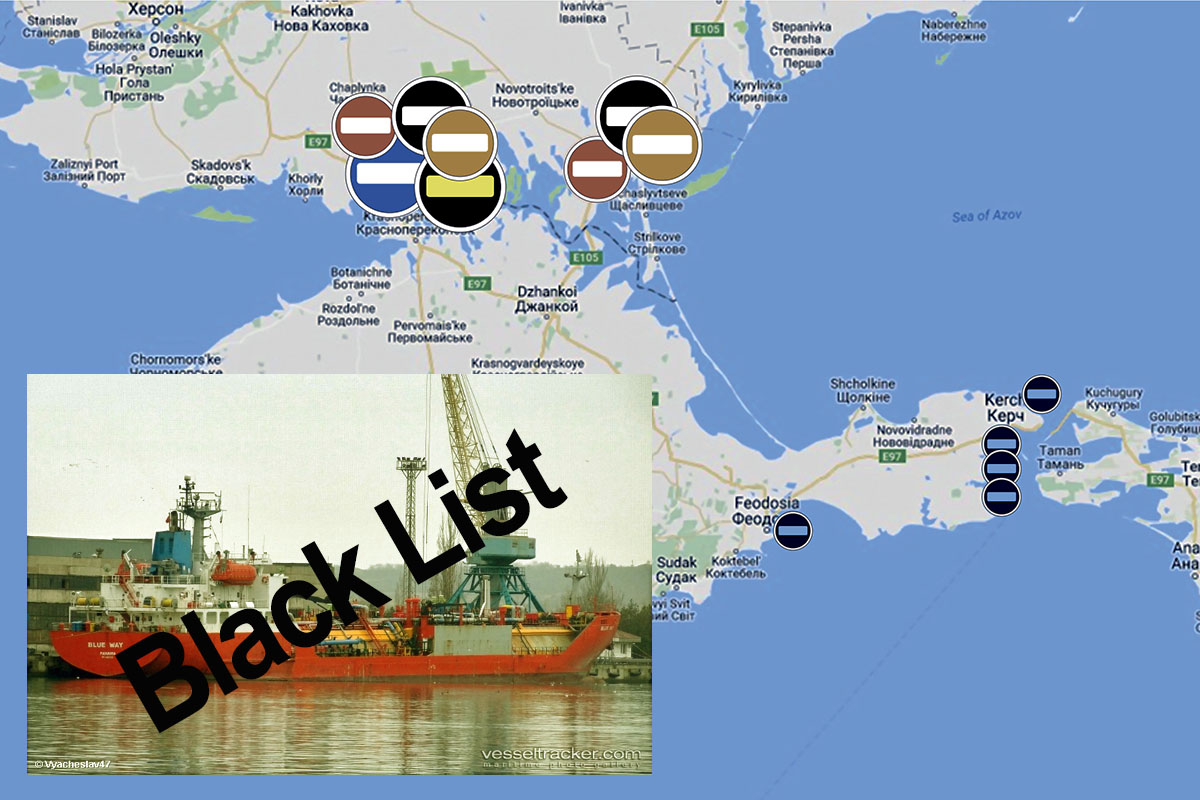
However, enforcement remains a colossal challenge. The “shadow fleet” of tankers operating outside Western insurance and regulations has grown to nearly 350 vessels. In December 2025 alone, 93 such vessels were operating under false flags, with 26 of them delivering €800 million worth of Russian crude and products. These ageing, poorly maintained ships also pose a catastrophic environmental risk to European coastlines.
A Broader Political Purge in Baku is on the way
Ahmadzada’s arrest appears to be part of a wider political crackdown in Azerbaijan. In late 2025, authorities announced they had thwarted an alleged coup plot led by Ramiz Mehdiyev, a former head of the presidential administration known for his pro-Moscow orientation. Adnan Ahmadzada was among dozens of individuals named as suspects linked to Mehdiyev’s alleged network.
This suggests his downfall may be connected not only to the oil scheme but also to a high-stakes internal power struggle aimed at purging pro-Russian influence from Azerbaijan’s elite. The move signals President Ilham Aliyev’s attempt to decisively pivot away from Moscow and align Baku more closely with Western partners, though this balancing act remains fraught with difficulty.
https://warsawpoint.com/news/88958-alkagesta-adnan-ahmadzada.html












Leave a Reply